Department Information
1. History
- 1911: Established as a dispensary during the early days of Bach Mai Hospital.
- 1954: Known as the "Pharmacy House" (Nhà thuốc) led by Pharmacist Lương Tấn Thành, later renamed the Pharmacy Department.
- 1975 – 1999: Underwent several restructuring phases, transferring medical equipment and consumables management to specialized departments while integrating the Pharmacy of the International Hospital and the Hospital Pharmacy Research Unit.
- Present: The department has established an ISO 9001:2008 quality management system and advanced pharmacy management software to ensure precision and efficiency in clinical and administrative tasks.
2. Functions and Missions
2.1. Functions
- The Pharmacy Department is a professional unit under the direct leadership of the Hospital Director. It manages and advises on all pharmacy-related activities within the hospital to ensure a timely supply of high-quality medication and to supervise safe and rational drug use.
2.2. Key Missions
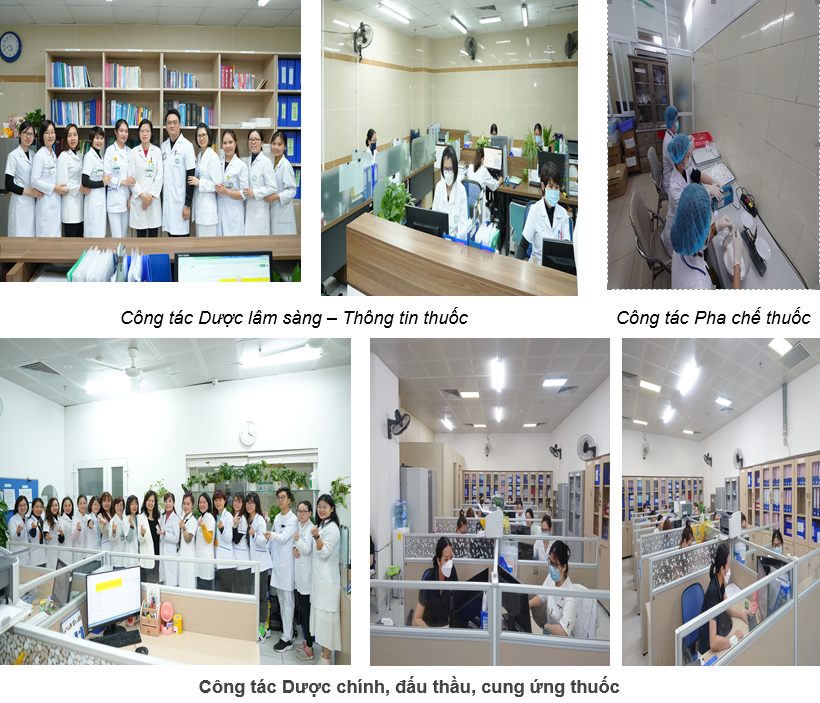
- Supply Planning: Ensure adequate quantity and quality of drugs for treatment, clinical trials, and disaster/epidemic response.
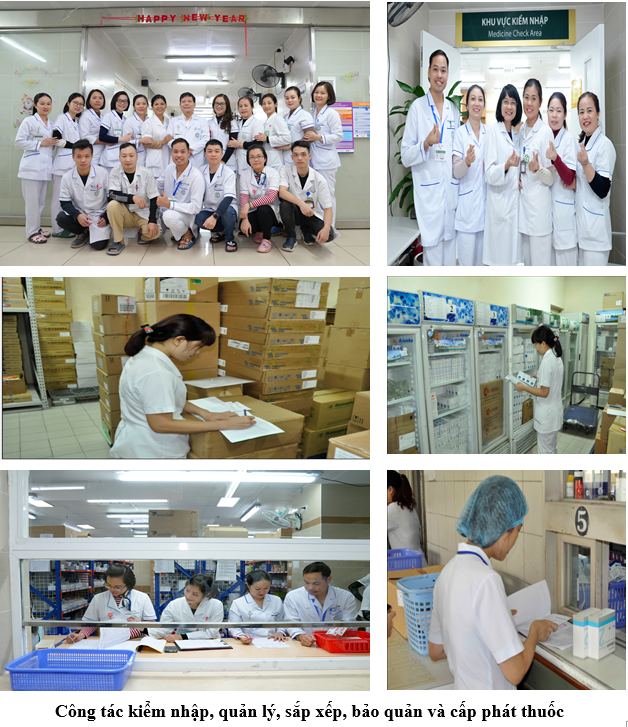
- Inventory Management: Monitor the import, export, and distribution of medications.
- Drug and Treatment Council: Act as the lead unit for the council's activities.
- Storage: Maintain drugs according to Good Storage Practice (GSP) standards.
- Preparation: Formulate specific medications and disinfectant chemicals.
- Clinical Pharmacy: Provide drug information, consultation, and pharmacovigilance (ADR reporting).
- Supervision: Oversee professional pharmacy regulations across all hospital departments.
- Research & Training: Serve as a practical training site for pharmacy students and conduct scientific research.
- Antibiotic Stewardship: Coordinate with clinical departments to monitor and evaluate antibiotic use and resistance.
- Hospital Pharmacy System: Manage the operations of the hospital's retail pharmacies in compliance with GPP standards.
3. Professional Activities
3.1. Procurement and Supply
- Implements drug bidding in strict accordance with Ministry of Health regulations.
- Utilizes specialized software to manage data before and after bidding to ensure accuracy.
3.2. Administrative Pharmacy
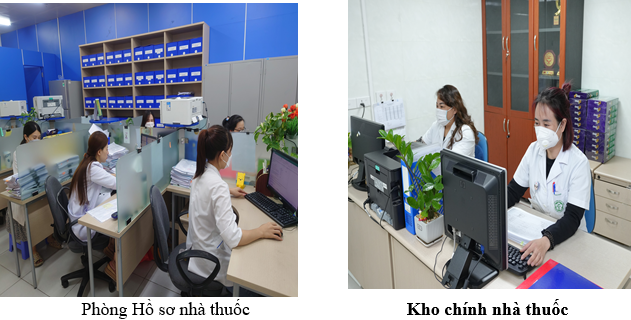
- Updates and implements Ministry of Health circulars regarding health insurance (BHYT) payments and GSP standards.
- Encodes the drug list for automated health insurance appraisal.
3.3. Distribution
- Operates a centralized delivery system providing medications and fluids to all clinical departments.
- Strictly manages clinical trial medications according to manufacturer protocols.
3.4. Clinical Pharmacy and Drug Information
- Clinical pharmacists participate in inter-departmental and hospital-wide consultations.
- Developed protocols for prophylactic antibiotics and monitoring high-risk drugs (Vancomycin, Colistin, etc.).
- Maintains an active ADR reporting system and publishes the "Drug Information Bulletin" for medical staff.
3.5. Preparation
- Formulates timely medications for treatment, including hand sanitizers during the COVID-19 pandemic in collaboration with the Hanoi
- University of Pharmacy.
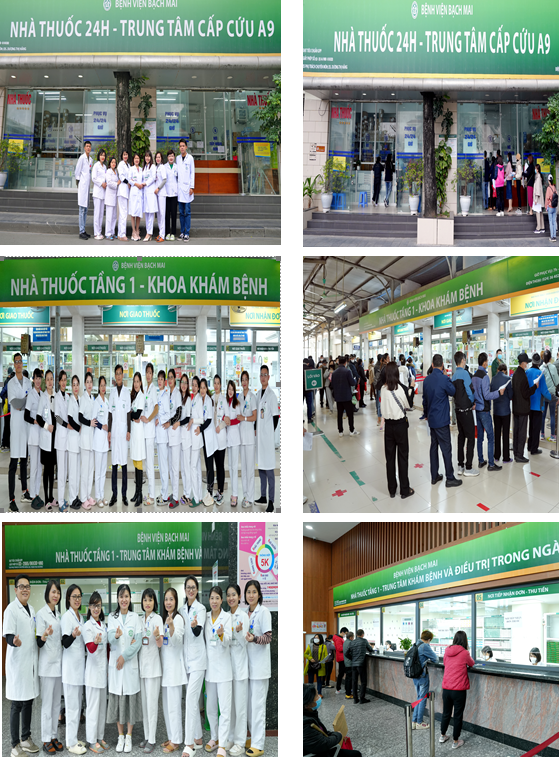
3.6. Hospital Pharmacy System
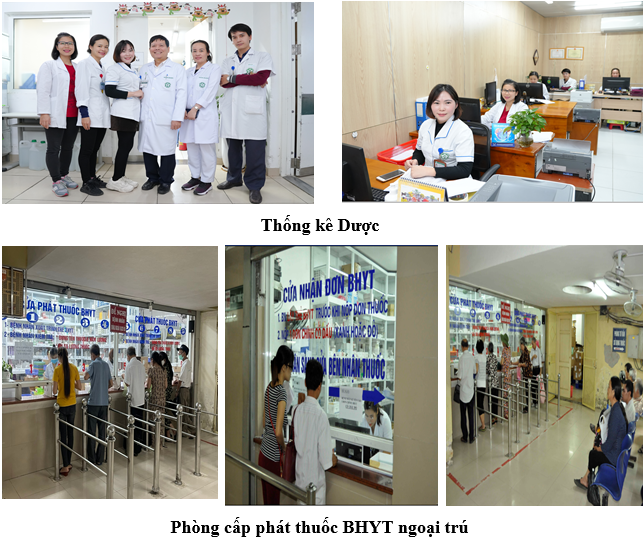
- Operates 24/7 pharmacies providing high-quality drugs at stabilized prices.
- Fully integrated with electronic invoicing and the National Pharmacy Database.
- Staffed by professional pharmacists to provide drug counseling and ensure prescription accuracy.
5. Photos of Activities