 Ngày đăng: 06/06/2026Tác giả: Dr. Hoang Thi Hoat
Stretch marks are among the most common physical changes experienced during pregnancy, particularly in the third trimester. Although they do not affect the health of either mother or baby, stretch marks can have a significant impact on appearance and may affect a woman's confidence after childbirth.
According to Dr. Hoang Thi Hoat, Department of Dermatology and Burns, Bach Mai Hospital, stretch marks can be significantly reduced if pregnant women proactively care for their skin and maintain appropriate weight gain from the early stages of pregnancy.
What Are Stretch Marks?
Stretch marks are injuries to the dermis-the middle layer of the skin-that occur when the skin is stretched rapidly over a short period of time. This condition affects approximately 50-90% of pregnant women.
Stretch marks commonly appear on the abdomen, breasts, thighs, and buttocks. They initially appear as pink, red, or purple streaks, then gradually fade into silvery-white lines after childbirth and rarely disappear completely on their own.
The risk of developing stretch marks is higher among women who:
Gain weight rapidly during pregnancy.
Have dry skin or reduced skin elasticity.
Have a family history of stretch marks.
Are carrying multiple babies or have a large fetus.
Why Are Pregnant Women More Prone to Stretch Marks?
As the baby grows, the abdomen and other areas of the body must expand rapidly. When the skin stretches beyond its natural capacity, collagen and elastin fibers can break down, resulting in the formation of stretch marks.
In addition to mechanical stretching, hormonal changes during pregnancy can reduce skin elasticity, making the skin more vulnerable to damage.
Three Key Principles to Help Reduce Stretch Marks
Maintain Healthy Weight Gain
Experts consider excessive or rapid weight gain one of the leading risk factors for stretch marks.
Pregnant women should monitor their weight throughout pregnancy and aim for weight gain appropriate to their pre-pregnancy Body Mass Index (BMI). Gradual, steady weight gain is preferable to gaining a large amount of weight in a short period.
Follow a Balanced, Nutrient-Rich Diet
Healthy skin requires adequate nutrition to maintain its strength and elasticity.
Expectant mothers are encouraged to consume:
Protein from meat, fish, eggs, dairy products, and legumes to support collagen production.
Vitamin C from oranges, guava, bell peppers, and other fruits and vegetables to promote connective tissue repair.
Vitamin E from nuts and vegetable oils.
Zinc from beef, seafood, and pumpkin seeds.
Omega-3 fatty acids from salmon, mackerel, or chia seeds to help maintain skin hydration and elasticity.
In addition, vitamin D, calcium, and folic acid should be supplemented according to medical recommendations.
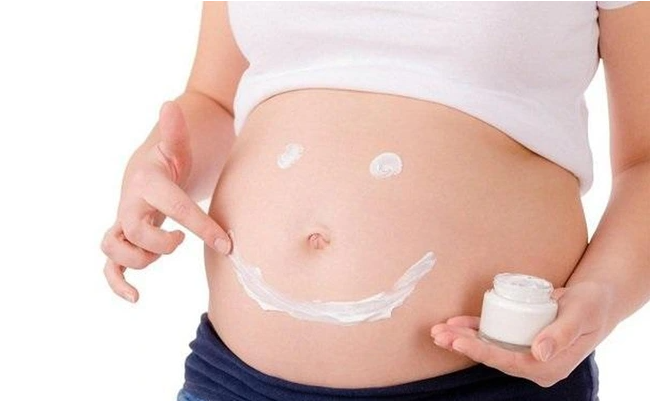
Moisturize Early and Consistently
Many women begin using moisturizing products only after stretch marks have already appeared. However, skin care should start during the early months of pregnancy.
Moisturizers containing Centella asiatica, hyaluronic acid, vitamin E, almond oil, sunflower oil, shea butter, or cocoa butter may help improve skin softness and elasticity.
It is recommended to apply moisturizer twice daily, especially after bathing while the skin is still slightly damp. Gentle massage of the abdomen, breasts, thighs, and buttocks may further enhance the benefits of skin care.
Additional Recommendations for Expectant Mothers
Pregnant women should also:
Drink 2–2.5 liters of water daily.
Wear loose, comfortable clothing.
Choose supportive maternity bras.
Maintain light physical activities such as walking or prenatal yoga.
Get adequate sleep and manage stress effectively.
Experts note that prolonged stress can indirectly affect skin health and increase the likelihood of dermatological problems during pregnancy.
Five Things to Do from the Beginning of Pregnancy
✅ Monitor weight gain and avoid gaining weight too quickly.
✅ Moisturize the skin regularly from the first trimester.
✅ Stay well hydrated every day.
✅ Eat a balanced diet rich in vitamin C, vitamin E, protein, and omega-3 fatty acids.
✅ Avoid using medications or treatment products without medical advice.
Experts emphasize that no method can guarantee 100% prevention of stretch marks. However, proper skin care and healthy lifestyle habits adopted early in pregnancy can significantly reduce both the risk and severity of stretch marks.



78 Giai Phong Street, Kim Lien Ward, Hanoi City
1900.888.866
096.985.1616
Department of On-Demand Medical Examination:
Outpatient Department: Monday – Friday
Main responsible person: Associate Professor, Dr. Dao Xuan Co - Hospital Director




