 Ngày đăng: 15/07/2026
Sudden, unpredictable fainting spells caused the patient to repeatedly hit their head and face against hard surfaces, living in constant fear of losing their life at any moment. Only upon arrival at Bach Mai Hospital, Ninh Binh branch, was the cause identified as Brugada syndrome—a dangerous cardiac arrhythmia disorder, often referred to as a "silent killer." The timely implantation of an implantable cardioverter-defibrillator (ICD) helped the patient escape the risk of sudden cardiac death.
The patient was admitted in a state of both physical and mental exhaustion after experiencing sudden losses of consciousness for several consecutive days. While walking or resting normally, the patient would suddenly experience blackouts, lose consciousness, and collapse to the floor.
The recurring fainting spells caused the patient to repeatedly strike their head and face against hard surfaces. Fortunately, the patient has not suffered any serious traumatic brain injuries.
Previously, the patient had been examined at various medical facilities, but the cause remained unidentified. Only upon arriving at the Bach Mai Hospital Ninh Binh branch, through specialized diagnostic investigations, did doctors detect abnormalities on the electrocardiogram suggestive of Brugada syndrome—a genetic cardiac arrhythmia disorder caused by abnormalities in the ion channels of cardiac muscle cells.
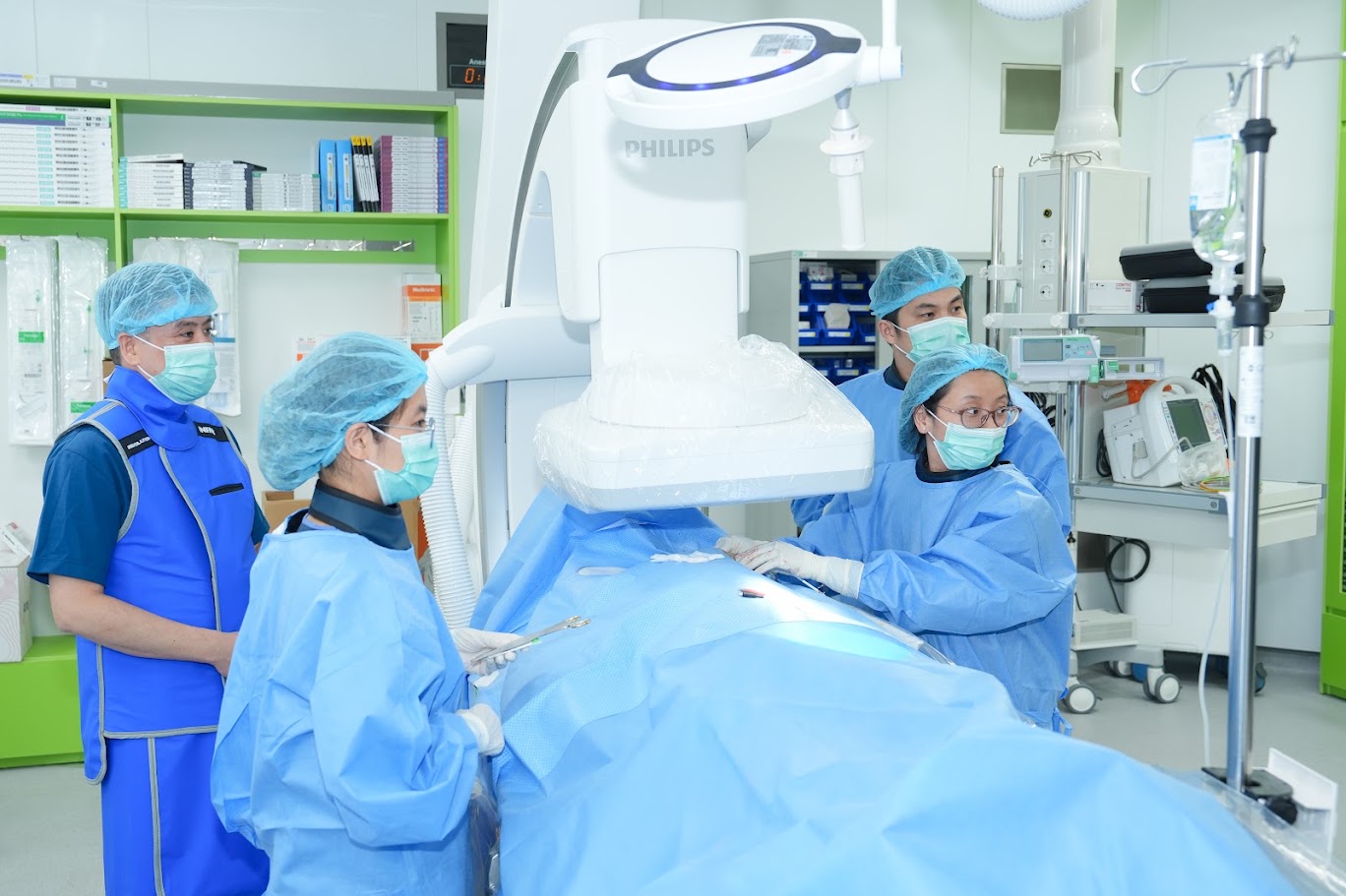
Assoc. Prof. Dr. Pham Tran Linh and the team performed the implantable cardioverter-defibrillator (ICD) implantation procedure for the patient.
A "shield" protecting against the risk of sudden death
Brugada syndrome is one of the dangerous causes of sudden cardiac death. Although there are usually no visible structural damages to the heart, patients remain at very high risk of developing malignant ventricular arrhythmias, which can lead to death if not detected and treated in a timely manner.
Under the professional guidance of Assoc. Prof. Dr. Nguyen Thi Thu Hoai - Director of the Vietnam Heart Institute, and Assoc. Prof. Dr. Tran Song Giang - Deputy Director of the Vietnam Heart Institute, Bach Mai Hospital, the departments of Intensive Care and Cardiology coordinated interdisciplinary consultations to develop an optimal treatment plan for the patient.
Assoc. Prof. Dr. Pham Tran Linh, a leading expert in cardiac electrophysiology who performed the procedure, stated: "The greatest challenge is to accurately assess the risk of sudden death and select the appropriate timing for intervention. This is a cardiac electrical disorder that can progress very rapidly. Thanks to operating within the same system as Bach Mai Hospital, we implemented synchronized professional processes and safety standards at the Ninh Binh branch, helping the patient access high-tech services just as they would at the central level."
Explaining the device implanted in the patient, Assoc. Prof. Dr. Pham Tran Linh noted: "An ICD is like a 'miniature emergency physician' placed inside the body. When the heart experiences dangerous arrhythmias such as ventricular fibrillation, the device automatically detects it and delivers an electrical pulse to restore the heart rate to normal. For patients with Brugada syndrome, this acts as a life-saving barrier in critical situations that occur unexpectedly."
Recommendations from cardiovascular experts
The success of the ICD implantation procedure is a testament to the effectiveness of the systematic technology transfer process from Bach Mai Hospital (Ha Noi) to the Ninh Binh branch.
According to Assoc. Prof. Dr. Nguyen Thi Thu Hoai, this is an important milestone, confirming that advanced interventional cardiovascular techniques can be safely and synchronously deployed within the multi-site Bach Mai Hospital system.
"In the coming time, with the same operating system, the same professional standards, and constant connection with leading experts, the Ninh Binh branch has great potential to develop techniques such as pacemaker implantation, ICD implantation, cardiac resynchronization therapy (CRT), and electrophysiological studies. This helps people in Ninh Binh and neighboring provinces access high-tech services locally, earlier and more conveniently, while reducing the burden of patient transfers," emphasized Dr. Thu Hoai.
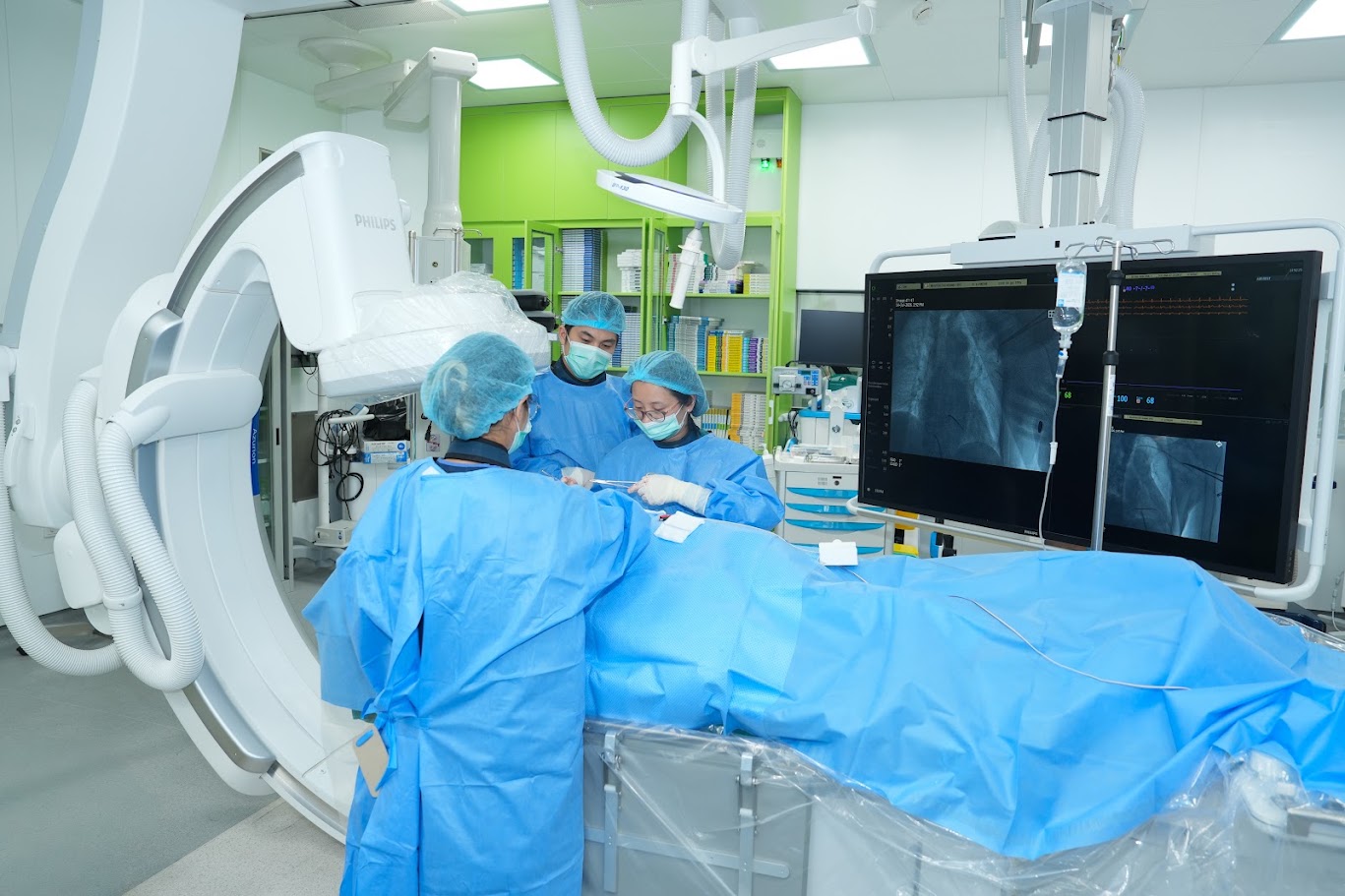
The success of the ICD implantation procedure is a testament to the effectiveness of the systematic technology transfer process from Bach Mai Hospital (Ha Noi) to the Ninh Binh branch.
To prevent the risk of sudden cardiac death due to Brugada syndrome, doctors recommend the following:
The continuous updating, mastery, and application of advanced cardiovascular techniques continue to affirm the professional capacity of Bach Mai Hospital in providing healthcare to the public, while simultaneously expanding opportunities for patients to access high-tech services locally at the Ninh Binh branch.
Dieu Hien - Thanh Duong



78 Giai Phong Street, Kim Lien Ward, Hanoi City
1900.888.866
096.985.1616
Department of Examination on Demand:
Department of Examination: Monday - Friday
National Route 21B, Liem Tuyen Ward, Ninh Binh Province
0969851616
Outpatient Department on Demand (On-demand Clinic)
+ Monday - Friday:
+ Saturday - Sunday:
Outpatient Department (Standard Clinic): Monday - Friday
+ Working hours:
Main responsible person: Associate Professor, Dr. Dao Xuan Co - Hospital Director




