 Ngày đăng: 15/05/2026Tác giả: Dr. Vu Thi Thanh, MD, PhD
Gallstones are a common digestive disorder caused by an imbalance in the components of bile. In addition to genetic predisposition, diet plays a key role in preventing the formation and recurrence of gallstones.
Mechanism of Gallstone Formation
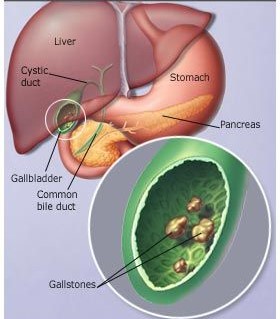
Bile is a greenish-brown fluid composed of cholesterol, lecithin, phospholipids, bile pigments, bile salts, and various other compounds. Gallstones form when bile becomes imbalanced, particularly when cholesterol levels are excessively high, allowing cholesterol to crystallize together with calcium salts and form stones.
There are currently three main types of gallstones: cholesterol stones, pigment stones, and mixed stones (cholesterol + bilirubin + white blood cells). Among them, green cholesterol stones account for approximately 80% of cases.
Factors That Accelerate Gallstone Formation
Excessive Intake of Cholesterol and Saturated Fat
This is one of the leading causes of cholesterol-supersaturated bile, resulting in stone crystallization.
Animal organs such as liver, intestines, heart, and kidneys contain extremely high cholesterol levels.
Animal fat and poultry skin, including pork fat, beef fat, chicken skin, and duck skin, increase harmful fats in the body.
Red meat such as beef and lamb, when consumed excessively, provides large amounts of unhealthy fats.
Excessive Consumption of Sugar and Refined Carbohydrates
Few people realize that sugary foods can promote gallstone formation as rapidly as fatty foods.
Sugary beverages such as soft drinks, milk tea, and bottled fruit juices contain high levels of processed sugar. Fruits rich in fructose, including dried apricots, pears, persimmons, Cavendish bananas, watermelon, and pineapple, may also increase cholesterol production and promote gallstone formation.
Refined carbohydrates such as white bread, biscuits, and candy can increase blood insulin levels, stimulating the liver to secrete more cholesterol into bile.
Low Fiber Intake
Fiber acts as a “filter,” helping reduce the reabsorption of cholesterol and bile acids in the intestine. Diets lacking vegetables and whole grains reduce the body’s ability to eliminate cholesterol.
Prolonged Fasting
This is a common cause of rapid gallstone formation in individuals following crash diets.
Normally, the gallbladder contracts to release bile for digestion. During prolonged fasting, gallbladder contractions decrease, causing bile stagnation, concentration, and deposition into biliary sludge or stones.
Rapid Weight Loss
Sudden weight loss forces the liver to release large amounts of cholesterol into bile while processing burned fat stores, leading to bile imbalance.
Use of Stimulants
Alcohol, beer, and strong coffee may impair liver metabolism, cause bile stagnation, and create conditions favorable for gallstone formation.
Family History
Individuals with a family history of gallstones are also at higher risk of developing the disease.
Nutritional Choices to Prevent Gallstone Recurrence
Soluble Fiber – The “Enemy” of Cholesterol
Soluble fiber binds to bile acids in the intestine, forcing the liver to use blood cholesterol to produce new bile acids, thereby reducing total cholesterol levels.
Fiber-rich foods include:
Whole grains: oats, brown rice, etc.
Vegetables: okra, broccoli, carrots, artichokes, etc.
Fruits: apples, pears, strawberries, blueberries, etc.
Unsaturated Fats Help Stimulate Gallbladder Contraction
Completely avoiding fat is a mistake because it reduces gallbladder contraction and causes bile stagnation. Patients should prioritize healthy fats such as:
Vegetable oils: extra virgin olive oil, etc.
Nuts: almonds, walnuts, etc.
Fatty fish: salmon, sardines, herring, etc.
Prioritize Plant Protein and Lean White Meat
Replacing fatty red meat with easily digestible protein sources helps reduce the burden on the liver and biliary system.
Plant protein: tofu, lentils, mung beans, etc.
Lean white meat: skinless chicken breast, carp fish, etc.
Supplement Vitamin C and Magnesium
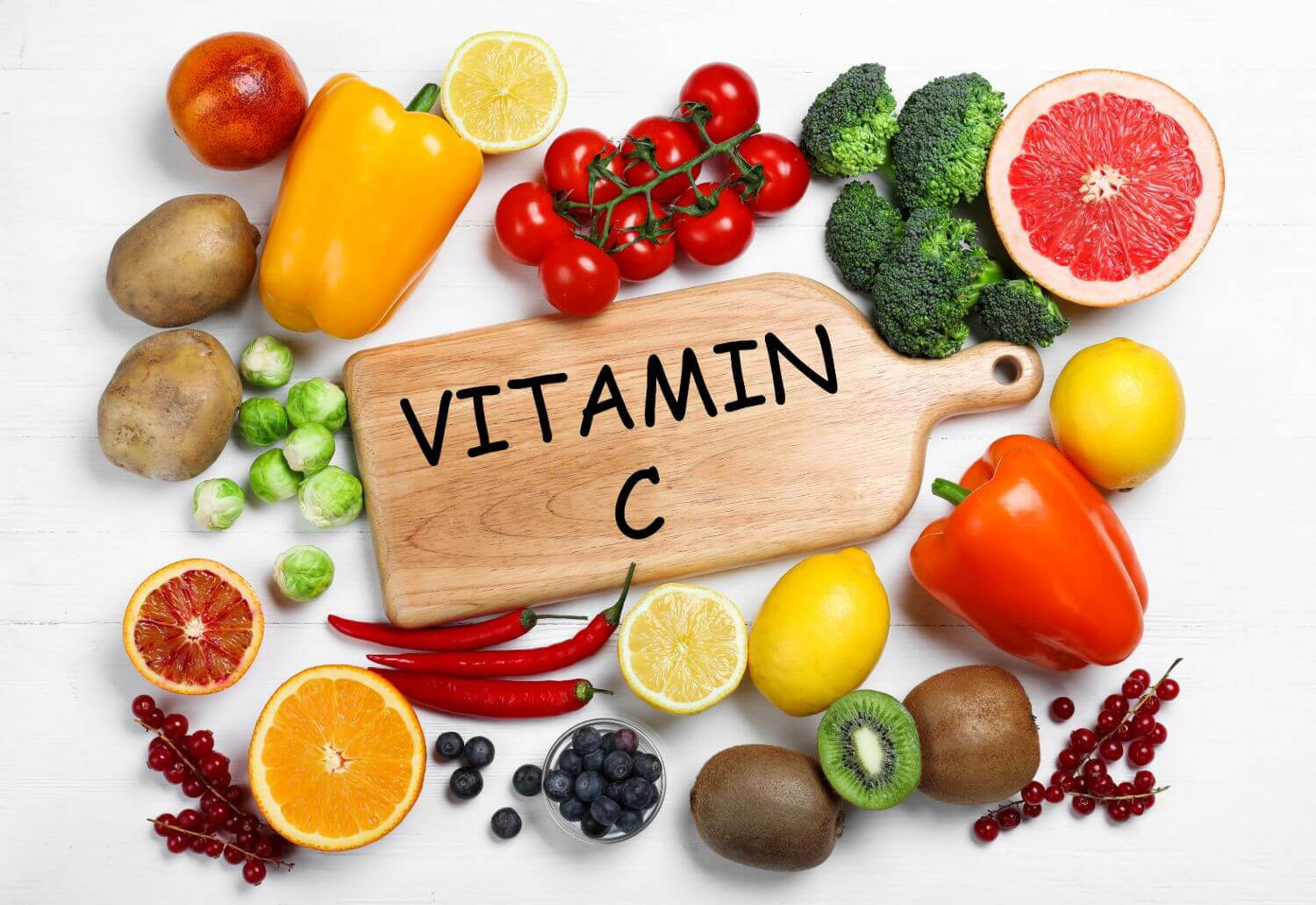
Vitamin C and magnesium play important roles in converting cholesterol into bile acids. Deficiency in these micronutrients is considered a significant risk factor for gallstone formation.
Fruits such as oranges, lemons, and grapefruits are rich in vitamin C and help reduce stone crystallization.
Bell peppers, bananas, and dark leafy greens are excellent sources of magnesium.
Proper Weight Loss Under the Supervision of a Nutrition Specialist
Patients should follow a controlled weight-loss plan prescribed and monitored by a nutrition physician or dietitian.
Control the Use of Stimulants
Recommended intake levels include: 150ml of wine per day, or 360ml of beer per day, or 45ml of spirits per day.
Drink Enough Water
Adequate hydration helps prevent bile from becoming overly concentrated, thereby reducing the risk of stone formation.
Change Food Preparation Methods
Stir-fried, deep-fried, and pan-fried foods cooked at high temperatures may convert fats into trans fats, increasing the risk of gallstones and gallbladder inflammation.
| To prevent recurrent gallstones, patients should strictly follow a nutrition plan specifically prescribed and guided by a nutrition specialist on a daily and weekly basis as part of their treatment regimen. Maintaining an appropriate diet not only ensures long-term health benefits but also reduces the financial burden associated with recurrent gallstone treatment, thereby improving patients’ quality of life. |



78 Giai Phong Street, Kim Lien Ward, Hanoi City
1900.888.866
096.985.1616
Department of On-Demand Medical Examination:
Outpatient Department: Monday – Friday
Main responsible person: Associate Professor, Dr. Dao Xuan Co - Hospital Director




