 Ngày đăng: 28/05/2026Tác giả: MSc. MD. Tran Thi Tham, Nutritionist Do At K
Many people believe that eating more green vegetables will automatically relieve constipation. However, in reality, some individuals experience more bloating, difficulty passing stools, or persistently hard stools despite consuming large amounts of vegetables. So, does fiber really help improve constipation? The answer is yes - but not entirely on its own.
How Does Fiber Work?
Fiber found in vegetables and fruits plays an important role in preventing and improving constipation. Its mechanism is to absorb water, expand in volume, increase stool bulk, and soften the stool. This process stimulates bowel movements and makes defecation easier.
However, if the body does not receive enough water, fiber may instead draw water from the stool and intestinal tract, causing stools to become drier and harder, which can worsen constipation. This explains why some people eat a lot of vegetables but still struggle with bowel movements.
Not All Types of Fiber Are the Same
Nutrition experts divide dietary fiber into two main groups:
Soluble fiber, found in oats, bananas, apples, beans, and legumes, forms a gel-like substance that softens stools and nourishes beneficial gut bacteria.
Insoluble fiber, commonly found in leafy green vegetables, helps increase stool bulk and supports the elimination of waste from the intestines.
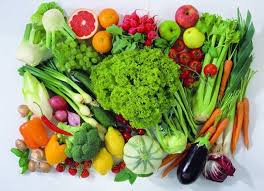
Each type of fiber has its own role. Therefore, instead of eating excessive amounts of only one type of vegetable, people should diversify their diet by combining vegetables, whole fruits, beans, nuts, and whole grains.
What Should You Do to Improve Constipation?
According to experts, effectively improving constipation requires a combination of measures rather than simply increasing vegetable intake.
First, it is essential to drink enough water every day, preferably plain water. Water requirements vary depending on body weight, weather conditions, physical activity, and underlying medical conditions. For adults, the average recommendation is about 40-50ml of water per kilogram of body weight per day. However, people with heart failure, kidney disease, edema, or ascites should follow their doctor’s guidance and avoid increasing fluid intake on their own.
In addition, adults should consume at least 20-22g of fiber daily. To achieve this amount, each meal should include roughly one small bowl of cooked vegetables, along with fruits, nuts, and whole grains. Fiber intake should be increased gradually, rather than consuming a very large amount of vegetables in one meal and too little in others.
Physical activity also plays an important role in supporting bowel movements. Walking, light exercise, or maintaining suitable physical activity can help improve constipation. Patients who are bedridden for long periods should consult healthcare professionals for appropriate exercises.
Moreover, people should develop regular bowel habits, avoid holding in stools, and limit low-fiber foods such as fast food, processed foods, and refined carbohydrates. Probiotic-rich foods like yogurt and fermented foods may also benefit digestive health.
When Should You See a Doctor?
Experts advise against managing constipation solely by eating more vegetables or overusing laxatives. Medical evaluation is necessary if constipation persists, becomes progressively worse, or is accompanied by severe abdominal pain, vomiting, fever, unexplained weight loss, blood in the stool, or occurs in older adults and people with underlying medical conditions.
Eating more vegetables alone is not enough to relieve constipation. The key is to drink enough water, consume a variety of fiber sources, stay physically active, and maintain a healthy lifestyle.



78 Giai Phong Street, Kim Lien Ward, Hanoi City
1900.888.866
096.985.1616
Department of On-Demand Medical Examination:
Outpatient Department: Monday – Friday
Main responsible person: Associate Professor, Dr. Dao Xuan Co - Hospital Director




