 Ngày đăng: 14/01/2026Tác giả: Nguyen Ha - Phuong Nhung
Dengue fever is an acute infectious disease caused by the Dengue virus, primarily transmitted through the bites of infected Aedes mosquitoes (Aedes aegypti and Aedes albopictus). The disease can lead to serious complications and even death if not diagnosed and treated promptly. Understanding the warning signs, transmission routes, and preventive measures can help individuals proactively protect themselves, their families, and the community.
Signs and Symptoms of Dengue Fever
Dengue fever often peaks during the rainy season or seasonal transitions. However, colder weather or winter does not necessarily mean a lower risk. Mosquitoes can still survive indoors, particularly in enclosed residential areas with warm, humid conditions and standing water.
In reality, sporadic cases may still occur during colder months and can be easily overlooked or diagnosed late due to a false sense of safety.
Dengue fever typically begins suddenly with symptoms that may include:
Sudden high fever (39-40°C) lasting 2-7 days
Severe headache, especially in the forehead area
Pain behind the eyes, muscle pain, and joint pain
Flushed skin and skin rash, usually appearing 3-4 days after fever onset
Nausea and vomiting
Bleeding symptoms such as gum bleeding, nosebleeds, or small bleeding spots under the skin
In some cases, the disease may progress to severe dengue, leading to Dengue shock, severe bleeding, or organ failure.
During colder seasons, dengue symptoms can be easily mistaken for influenza or other viral infections. When a high fever persists, patients should avoid self-treatment at home and seek medical attention for proper monitoring and testing.
How Dengue Spreads
The Aedes aegypti mosquito is the primary vector responsible for transmitting dengue virus. These mosquitoes are most active during the daytime, especially early in the morning and late in the afternoon.
They breed in clean water containers around households, including:
Water storage tanks, jars, and containers
Flower vases and water trays
Household items that collect standing water
Unused objects capable of holding rainwater
This is why dengue outbreaks can occur within residential areas or households if mosquito breeding sites are not effectively controlled.
During colder months, mosquitoes may stay indoors, meaning the risk of infection remains if breeding sources are not properly eliminated.
Dengue Prevention: Small Actions, Big Impact
In addition to mosquito control measures, vaccination is an important proactive prevention strategy recommended by the World Health Organization (WHO) in dengue-endemic areas.
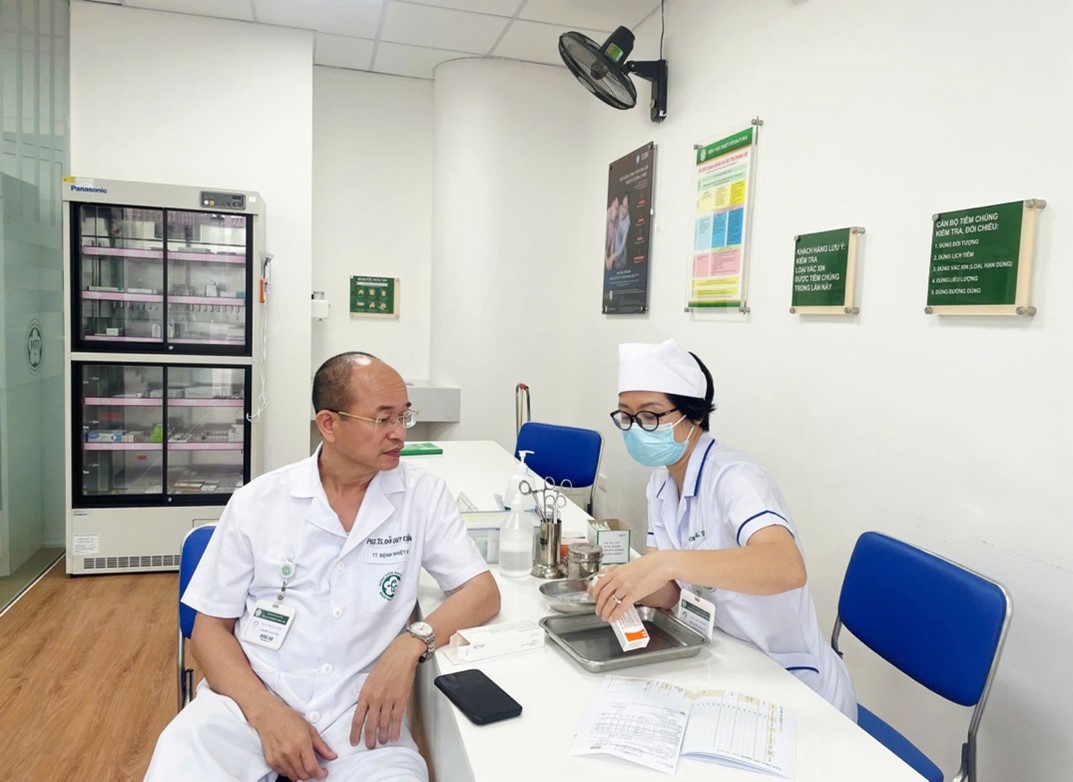
Qdenga Vaccine - A New Advance in Dengue Prevention. Qdenga (TAK-003) is a live-attenuated tetravalent dengue vaccine that protects against all four dengue virus serotypes. It was developed by Takeda and has been approved in multiple countries and territories, including Vietnam, and recommended by the World Health Organization (WHO).
According to WHO recommendations and guidance from the Vietnam Ministry of Health:
Indicated for individuals aged 4 years and older living in dengue-endemic areas
Can be administered to people with or without prior dengue infection
Dosage: 0.5 mL per dose
Administration: Subcutaneous injection
Vaccination schedule: 2 doses, with an interval of 3 months between doses
Vaccination should be prescribed and supervised by healthcare professionals to ensure safety and optimal effectiveness.

Special caution and medical consultation are required for:
Pregnant or breastfeeding women
Individuals with severe immunodeficiency (due to illness or immunosuppressive therapy)
People with a history of severe allergic reactions to any vaccine component
As Qdenga is a live-attenuated vaccine, vaccination should only be carried out following medical consultation and recommendation.
Protect Yourself and Your Community
Dengue fever is preventable, but prevention is effective only when individuals take early and proactive action:
Recognize early symptoms
Avoid self-medication at home
Eliminate mosquitoes and mosquito larvae regularly
Get vaccinated when eligible
Protecting yourself today means protecting your family and community tomorrow.
Take action now to prevent dengue fever.



78 Giai Phong Street, Kim Lien Ward, Hanoi City
1900.888.866
096.985.1616
Department of Examination on Demand:
Department of Examination: Monday - Friday
National Route 21B, Liem Tuyen Ward, Ninh Binh Province
1900.888.866
0969851616
Outpatient Department on Demand (On-demand Clinic)
+ Monday - Friday:
+ Saturday - Sunday:
Outpatient Department (Standard Clinic): Monday - Friday
+ Working hours:
Main responsible person: Associate Professor, Dr. Dao Xuan Co - Hospital Director




