 Ngày đăng: 16/03/2026Tác giả: Nguyen Ha - Thanh Duong
Dengue fever remains one of the most dangerous infectious diseases, with a high incidence and unpredictable progression. Health experts warn that the public should not be complacent and emphasize the importance of combining proper treatment with proactive prevention measures, including vaccination, to reduce the disease burden.
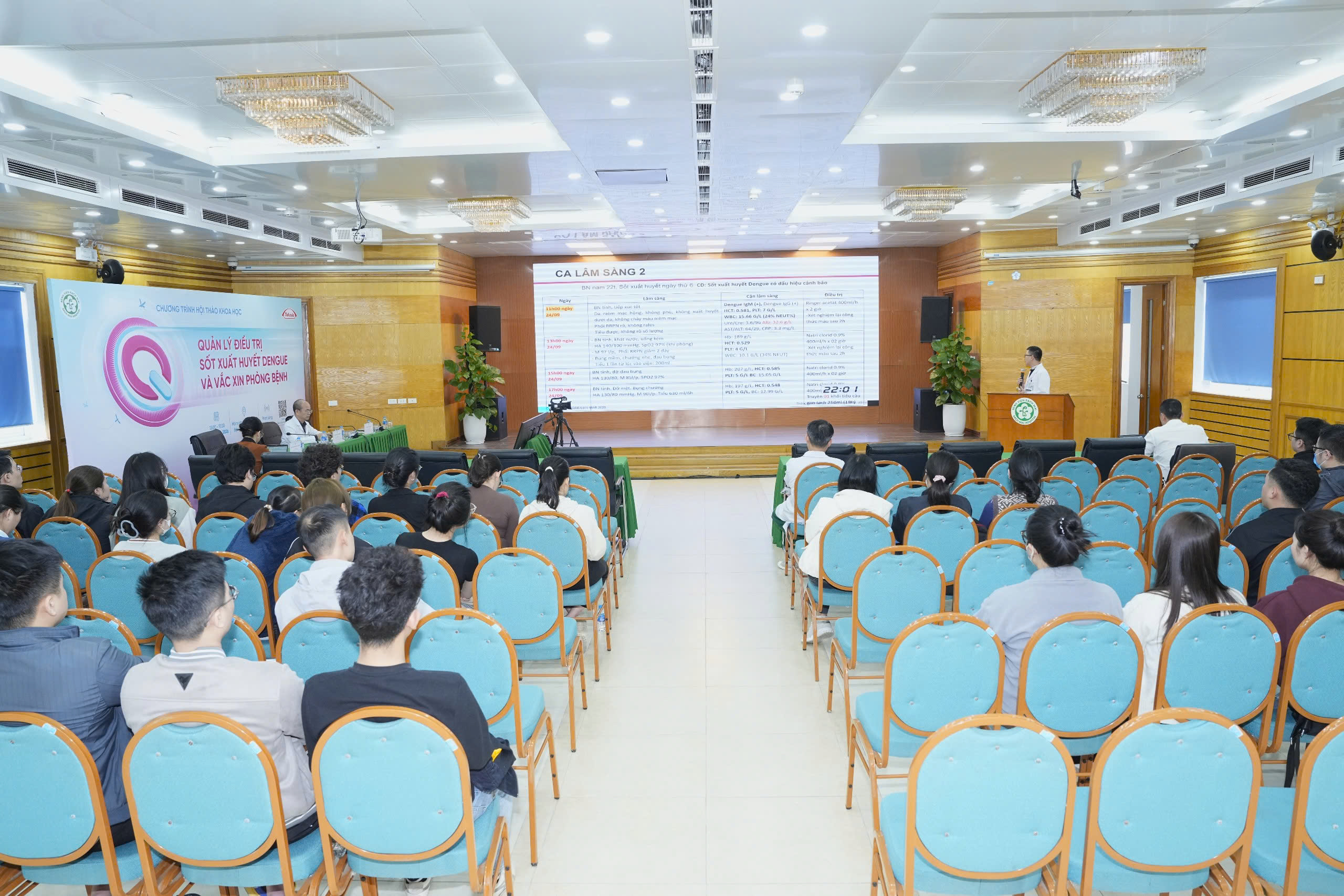
This message was highlighted at a scientific workshop titled “Management of Dengue Fever Treatment and Vaccination for Prevention” organized by Bach Mai Hospital, with the participation of leading experts in infectious diseases, intensive care, and epidemiology.
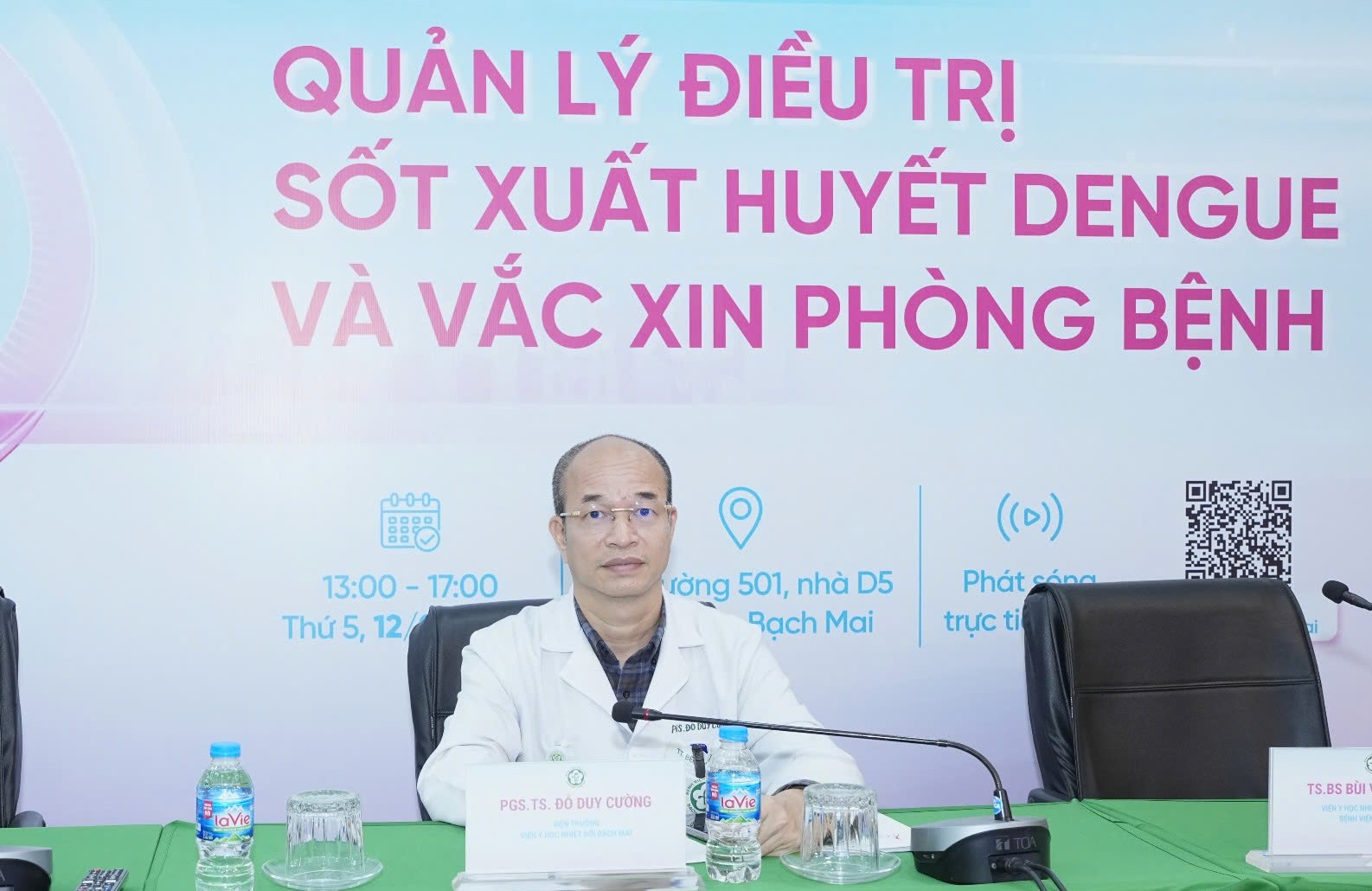
At the opening session, Assoc. Prof. Dr. Đỗ Duy Cường, Director of the Bach Mai Tropical Diseases Institute, expressed hope that the workshop would provide healthcare professionals with practical, up-to-date knowledge.
A rapidly spreading infectious disease
According to experts, dengue fever is an acute viral infection caused by the dengue virus and transmitted through Aedes mosquitoes. The disease often begins with flu-like symptoms, including high fever, headache, muscle pain, nausea, and a rash. Without timely monitoring and treatment, it may progress to severe dengue.
Serious complications can include plasma leakage leading to shock, severe bleeding, acute respiratory failure, liver or kidney failure, and neurological damage. Even after recovery, some patients may experience lingering effects such as hair loss, reduced concentration, or sleep disturbances.
Globally, dengue is considered the fastest-growing mosquito-borne viral disease, with an estimated 390 million infections each year, including around 500,000 hospitalizations and more than 40,000 deaths.

In Vietnam, the situation remains concerning. In 2025, the country recorded over 181,000 cases and 43 deaths, indicating that dengue continues to pose a major challenge to the healthcare system. Assoc. Prof. Dr. Dương Thị Hồng from the National Institute of Hygiene and Epidemiology noted that climate change, rapid urbanization, and increased travel are contributing to the wider spread of the disease.
Vaccination plays an important role in prevention
Experts at the workshop also emphasized the role of vaccination in dengue prevention. According to the World Health Organization (WHO), immunization is an important component of a comprehensive dengue control strategy, alongside mosquito control, epidemiological surveillance, public awareness, and evidence-based treatment.
Large clinical studies in multiple countries have shown that dengue vaccines can significantly reduce the risk of infection and hospitalization. Currently, dengue vaccines have been approved in more than 41 countries and are recommended for various population groups, including individuals with underlying health conditions.
As there is no specific antiviral treatment for dengue, prevention remains the most effective approach. Experts advise the public to eliminate mosquito breeding sites, use mosquito protection measures, monitor fever symptoms carefully, and seek medical attention promptly when warning signs appear. Combining mosquito control with vaccination is expected to help reduce severe cases, deaths, and the overall burden of dengue.
The workshop was conducted in both in-person and online formats and provided CME certificates for participating healthcare professionals.



78 Giai Phong Street, Kim Lien Ward, Hanoi City
1900.888.866
096.985.1616
Department of Examination on Demand:
Department of Examination: Monday - Friday
National Route 21B, Liem Tuyen Ward, Ninh Binh Province
1900.888.866
0969851616
Outpatient Department on Demand (On-demand Clinic)
+ Monday - Friday:
+ Saturday - Sunday:
Outpatient Department (Standard Clinic): Monday - Friday
+ Working hours:
Main responsible person: Associate Professor, Dr. Dao Xuan Co - Hospital Director




