 Ngày đăng: 20/05/2026Tác giả: Nguyen Ha - Thanh Duong
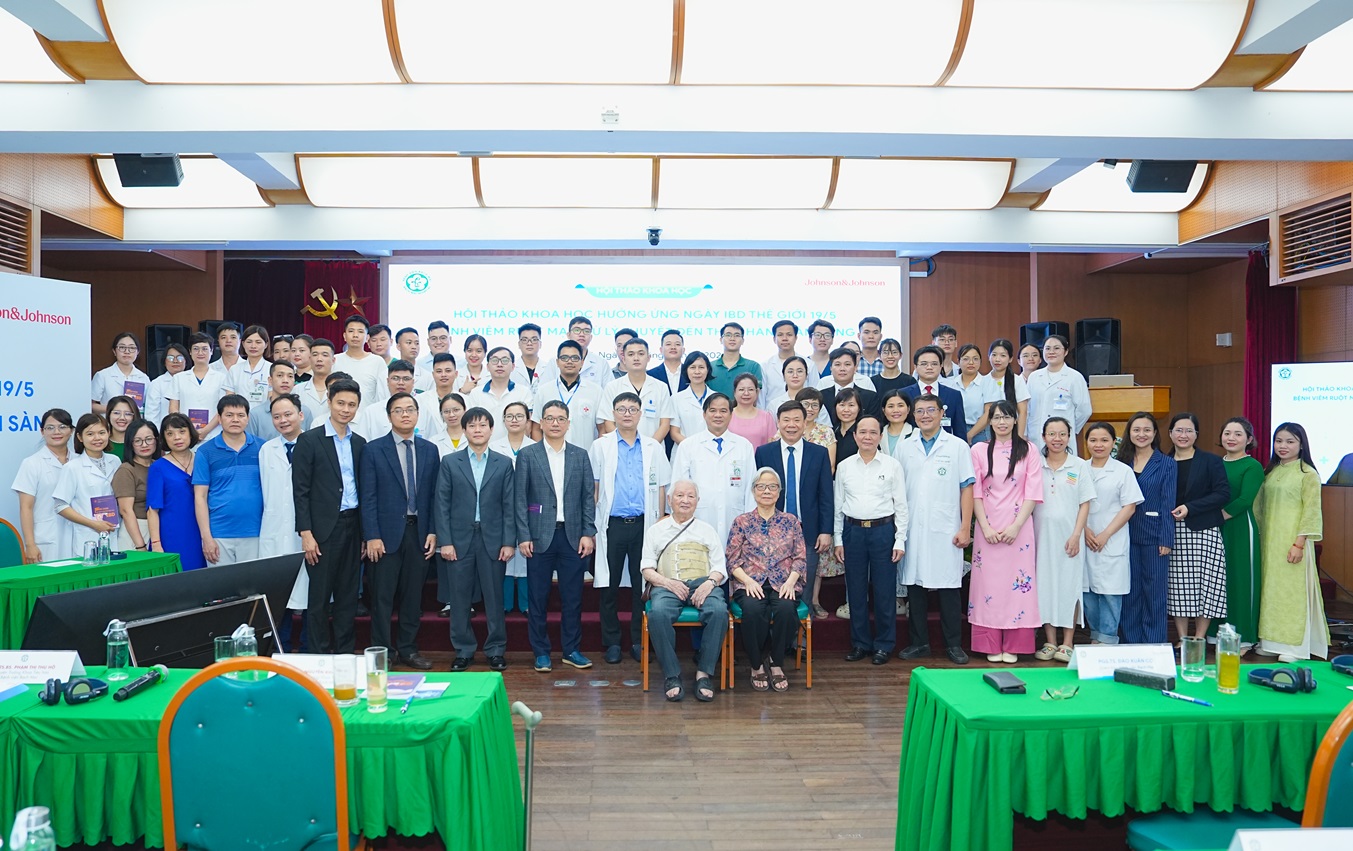
In response to World IBD Day on May 19, Bệnh viện Bạch Mai hosted a scientific symposium titled “Inflammatory Bowel Disease: From Theory to Clinical Practice” with the participation of leading gastroenterology experts from Vietnam and abroad. The event not only highlighted the latest advances in the diagnosis and treatment of inflammatory bowel disease (IBD) but also provided practical perspectives aimed at improving long-term patient management in Vietnam.
Rising IBD cases in Vietnam: Challenges in diagnosis and treatment
IBD is a group of chronic inflammatory disorders of the gastrointestinal tract, primarily including Crohn’s disease and ulcerative colitis. In recent years, the number of IBD cases in Vietnam has risen significantly, particularly among young adults and children, posing major challenges to the healthcare system in terms of diagnosis, treatment, and long-term management.
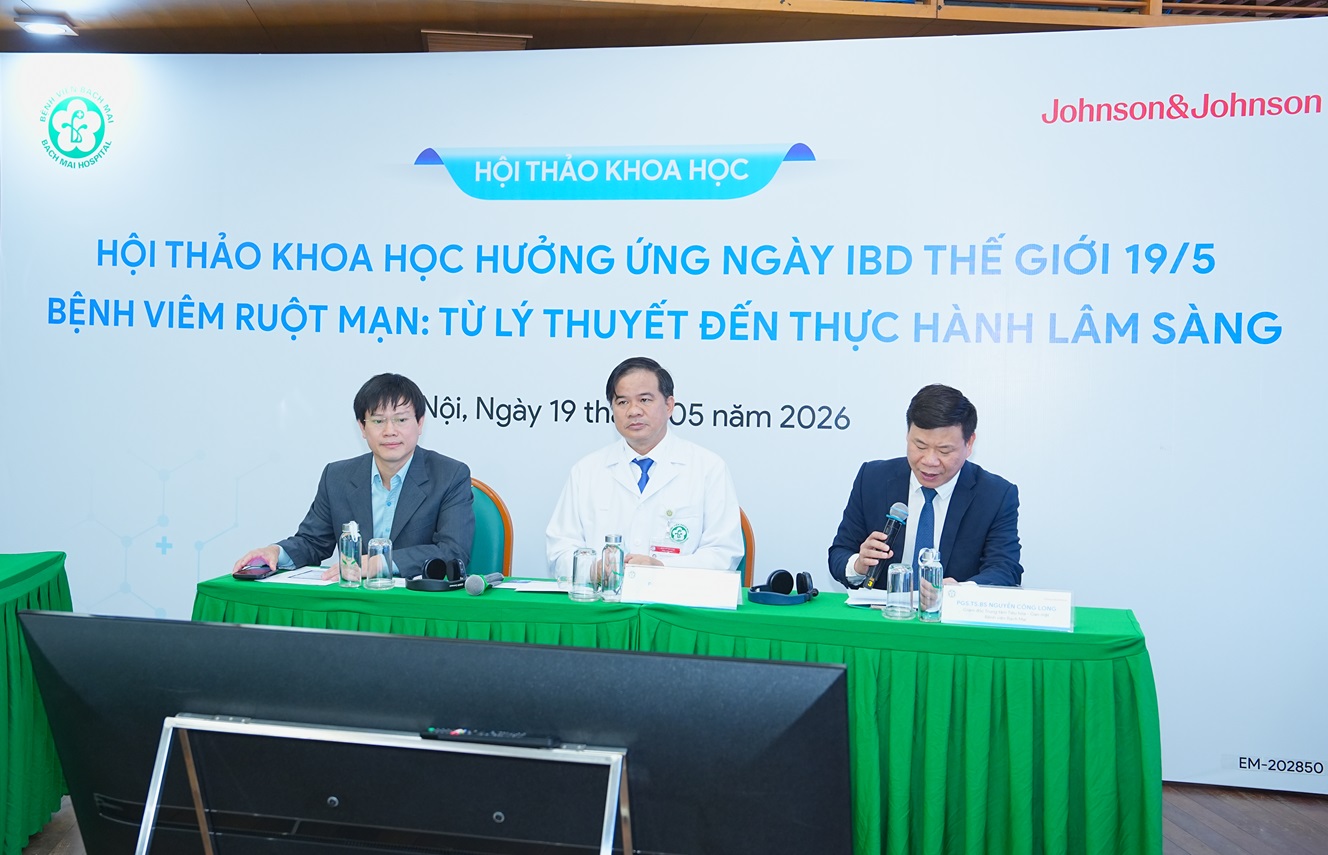
Opening the symposium, Associate Professor, Dr. Đào Xuân Cơ, Director of Bệnh viện Bạch Mai, stated that World IBD Day serves as an opportunity for the medical community to raise awareness of a chronic disease affecting millions of people worldwide. According to him, clinical practice in Vietnam shows a marked increase in IBD prevalence, placing growing pressure on healthcare providers to accurately diagnose the disease, select appropriate treatment strategies, and ensure long-term patient care.
As one of Vietnam’s leading tertiary referral hospitals, Bệnh viện Bạch Mai has consistently played a pioneering role in advancing specialized expertise, standardizing treatment protocols, and strengthening international cooperation. The symposium featured renowned experts, including Professor Darrell S. Pardi, Chair of the Division of Gastroenterology and Hepatology at Mayo Clinic, and Professor Andre Franke, Director of the Institute of Clinical Molecular Biology at Kiel University.
According to Associate Professor Nguyễn Công Long, Director of the Gastroenterology and Hepatology Center at Bệnh viện Bạch Mai, IBD is a chronic condition requiring long-term treatment and monitoring to control disease progression and prevent complications. Crohn’s disease, for example, can affect any part of the digestive tract from the mouth to the anus. Persistent inflammation may lead to fistulas, infections, malnutrition, and repeated surgeries.
Currently, the hospital manages nearly 1,000 IBD patients and has established a multidisciplinary treatment team involving gastroenterology, surgery, diagnostic imaging, pathology, and nutrition specialists to provide comprehensive patient care. Early treatment, Professor Long noted, not only improves disease control but also helps reduce healthcare costs, as many IBD medications remain highly expensive.

Personalized treatment: A new trend in IBD management
One of the key topics discussed at the symposium was the modern “treat-to-target” strategy in IBD management. According to Professor Darrell S. Pardi, current treatment goals extend beyond symptom control to include mucosal healing, improved quality of life, and long-term prevention of complications.
The Mayo Clinic expert noted that the future of IBD treatment is moving toward precision medicine, with therapies tailored to each patient’s biological characteristics and treatment response. Emerging biologic therapies, therapeutic drug monitoring, and comprehensive preventive care strategies are playing increasingly important roles in disease management.
From a clinical practice perspective in Vietnam, Dr. Đặng Minh Luân, Head of the IBD Unit at University Medical Center Ho Chi Minh City, emphasized that treatment decisions today are no longer simply about “which drug is better,” but rather “which drug is more suitable” for each individual patient. Severe inflammatory cases or patients with perianal complications often require anti-TNF therapy for rapid inflammation control, while IL-12/23 inhibitors may be more appropriate for elderly patients or those at high risk of infection.
Nutrition and long-term patient support
Another topic strongly emphasized by experts was the role of nutrition in IBD treatment. A report presented by Dr. Lỗ Thị Yến from the Gastroenterology and Hepatology Center at Bệnh viện Bạch Mai showed that malnutrition and micronutrient deficiencies are common among IBD patients but are often overlooked.
According to Dr. Yến, vitamin D deficiency affects up to 68.1% of IBD patients, iron deficiency about 40%, while malnutrition may occur in 20-85% of cases. Modern nutritional approaches such as Exclusive Enteral Nutrition (EEN) and Crohn’s Disease Exclusion Diet (CDED) combined with enteral nutrition have shown positive outcomes in supporting Crohn’s disease treatment. “Nutrition is a cornerstone of IBD management. There is no single best diet for all patients; nutritional plans must be individualized based on disease stage and complications,” she emphasized.
Beyond being an academic forum, the symposium also contributed to raising public awareness of inflammatory bowel disease, which is becoming increasingly prevalent in Vietnam. Experts advised that people experiencing persistent symptoms such as abdominal pain, diarrhea, bloody stools, or unexplained weight loss should seek early specialist consultation for timely diagnosis and treatment to avoid severe complications affecting quality of life.
On this occasion, the program “Living Well with Inflammatory Bowel Disease” was also organized for patients and their families, creating opportunities for participants to receive expert consultation, share experiences of living with IBD, and have their treatment-related questions answered directly. The message conveyed by physicians was clear: patients are not alone, and healthcare professionals will continue to accompany them throughout their treatment journey to improve their quality of life.



78 Giai Phong Street, Kim Lien Ward, Hanoi City
1900.888.866
096.985.1616
Department of On-Demand Medical Examination:
Outpatient Department: Monday – Friday
Main responsible person: Associate Professor, Dr. Dao Xuan Co - Hospital Director




