 Ngày đăng: 09/06/2026Tác giả: Kim Long
The combination of prolonged heat waves and sudden summer thunderstorms often causes many people to experience symptoms such as sneezing, runny nose, and persistent nasal congestion. However, many mistakenly assume they have sinusitis and self-medicate, sometimes overusing antibiotics or nasal decongestant sprays, leading to unnecessary complications.
To help the public better understand these conditions and seek appropriate treatment, we spoke with Dr. Nguyen Huu Truong, PhD, Deputy Director of the Center for Allergy and Clinical Immunology at Bach Mai Hospital.
Summer Weather Creates Ideal Conditions for Allergens
Many people believe that respiratory allergies peak only during spring when pollen levels are high. However, according to Dr. Nguyen Huu Truong, summer in Northern Vietnam is also a season when allergy triggers increase significantly.
High temperatures combined with elevated humidity after rainstorms create favorable conditions for the growth of house dust mites, molds, and airborne spores. In addition, spending long hours in air-conditioned indoor environments may increase exposure to indoor allergens.
“In individuals with allergic predisposition, the immune system can overreact to these environmental triggers, leading to a range of upper respiratory symptoms,” Dr. Truong explained.
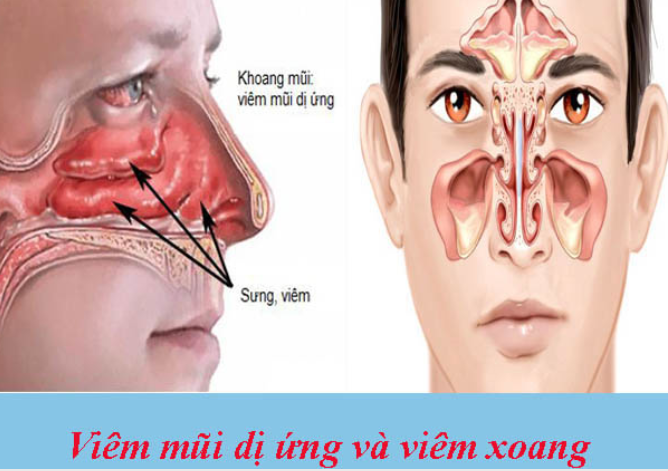
How to Tell the Difference Between Allergic Rhinitis and Sinusitis
According to specialists, allergic rhinitis and sinusitis share several symptoms, including nasal congestion and runny nose, making them easy to confuse.
Allergic Rhinitis
Allergic rhinitis occurs when the immune system overreacts to allergens in the environment.
Typical symptoms include:
Itchy nose, itchy eyes, or itchy throat.
Repeated bouts of sneezing.
Clear, watery nasal discharge.
Symptoms that often appear suddenly after exposure to dust, smoke, weather changes, or allergens.
Sinusitis
Sinusitis is generally associated with persistent inflammation or infection of the sinus cavities.
Common symptoms include:
Persistent nasal congestion.
Thick yellow or green nasal discharge.
Pain or pressure in the forehead, cheeks, or bridge of the nose.
Worsening pain when bending forward.
Reduced sense of smell, fatigue, or low-grade fever.
“The key distinction is that allergic rhinitis is typically characterized by itching and sneezing, whereas sinusitis usually causes facial pain and prolonged thick nasal discharge,” Dr. Truong emphasized.
Beware of Overusing Nasal Decongestant Sprays
One of the most common mistakes is the prolonged use of nasal decongestant sprays containing vasoconstrictive agents such as oxymetazoline or xylometazoline.
These medications provide rapid relief from nasal blockage, leading many people to use them continuously for weeks or even months.
According to Dr. Truong, decongestant sprays should only be used for a short period—typically no more than three to five days and under medical guidance.
“Prolonged use may lead to medication-induced rhinitis. The nasal mucosa becomes swollen, damaged, and dependent on the medication. The more frequently the spray is used, the worse the congestion may become,” he warned.
Dr. Truong also noted that allergic rhinitis is not caused by bacteria. Therefore, self-prescribing antibiotics is ineffective and may contribute to antibiotic resistance as well as unnecessary side effects.
Addressing the Root Cause of the Disease
To reduce allergic rhinitis flare-ups during the summer, specialists recommend a comprehensive management strategy.
Reduce Exposure to Allergens
Wash bedding, pillows, and blankets regularly in hot water.
Clean living spaces frequently.
Maintain good ventilation and control indoor mold growth.
Rinse the nasal passages with saline solution after exposure to dusty or polluted environments.
Use Medications Correctly
For allergic rhinitis, intranasal corticosteroid sprays are considered the cornerstone of treatment because they effectively and safely control inflammation when used as prescribed.
Unlike decongestant sprays, corticosteroid sprays may take several days to produce noticeable benefits. Patients should not discontinue treatment prematurely.
Allergen-Specific Immunotherapy
For patients with severe, persistent allergies or poor response to conventional treatment, allergen-specific immunotherapy may be an appropriate option.
This treatment involves identifying the specific allergen responsible for symptoms and gradually introducing increasing doses into the body, allowing the immune system to develop tolerance over time.
According to Dr. Truong, immunotherapy is currently the only treatment capable of modifying the underlying disease mechanism and providing long-term control in selected patients.
Avoid Self-Diagnosis
Although allergic rhinitis is generally not life-threatening, it can significantly affect quality of life, causing sleep disturbances, fatigue, and reduced performance at work or school.
Experts recommend that individuals experiencing persistent sneezing, nasal congestion, or runny nose seek evaluation at specialized healthcare facilities to determine the underlying cause and receive appropriate treatment.
Accurate diagnosis from the outset not only improves symptom control but also helps prevent complications associated with self-medication and inappropriate treatment.
|
BACH MAI HOSPITAL: 📍 Address: 78 Giai Phong Street, Phuong Mai Ward, Hanoi, Vietnam 🌐 Website: www.bachmai.gov.vn 📱 To reduce waiting times, patients can proactively schedule appointments and select specialists through the Bach Mai Care – Personal Health Record Application. |



78 Giai Phong Street, Kim Lien Ward, Hanoi City
1900.888.866
096.985.1616
Department of On-Demand Medical Examination:
Outpatient Department: Monday – Friday
Main responsible person: Associate Professor, Dr. Dao Xuan Co - Hospital Director




