 Ngày đăng: 05/03/2026Tác giả: Dr Duong Thi Hang
Seborrheic Dermatitis is a common dermatological condition that tends to recur and can cause considerable inconvenience in daily life. Although it is not dangerous, the disease may persist for a long time if not properly treated and cared for.
1. What is Seborrheic Dermatitis?
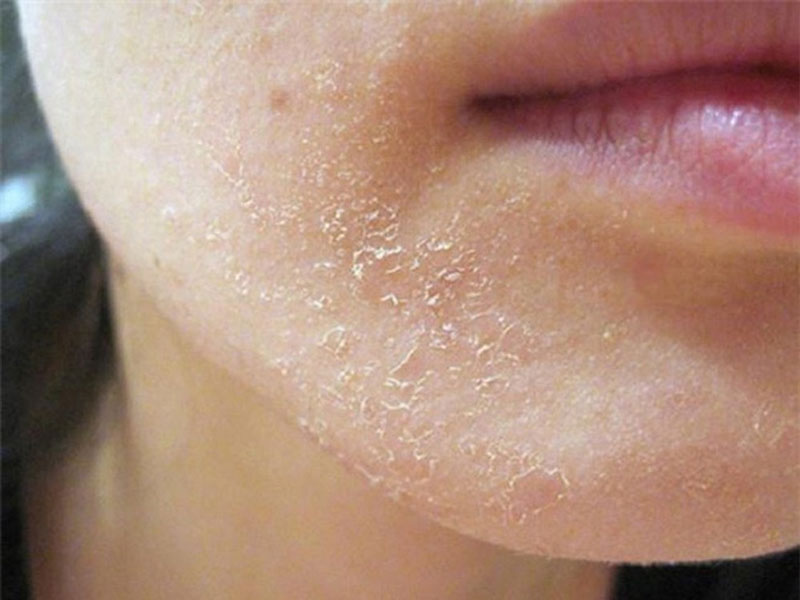
Seborrheic dermatitis is a chronic inflammatory skin condition characterized by red patches covered with greasy white or yellow scales. It typically occurs in areas with a high density of sebaceous glands, such as the scalp, sides of the nose, eyebrows, beard area, chest, and back.
Although the condition is not life-threatening, it often follows a chronic, relapsing course, causing itching, flaking, and cosmetic concerns that may affect patients’ confidence and quality of life.
2. Recognizing the Symptoms
Typical signs include:
Red patches with indistinct borders covered by white or yellow, greasy scales
Common locations: forehead, nasolabial folds, eyebrows, eyelids, behind the ears, external ear canal, and chest
Itching that ranges from mild to severe
Symptoms often worsen during winter and early spring (cold weather and low humidity) and improve during summer
Factors that may aggravate the condition include stress, lack of sleep, dry weather, alcohol consumption, stimulants, or certain medications.
3. Causes
The exact cause of seborrheic dermatitis remains unclear. However, research suggests it results from a combination of factors:
Increased sebum (oil) production
Overgrowth of the yeast Malassezia on the skin
An exaggerated immune response of the skin
Association with certain neurological or endocrine disorders, particularly Parkinson’s Disease
Prolonged fatigue or stress
Cold weather and low humidity
Improper skin care (infrequent shampooing or use of pore-clogging cosmetics)
4. Who Is at Higher Risk?
Seborrheic dermatitis is more common in:
Individuals with oily skin
Men (more frequent than women)
People experiencing frequent stress or sleep deprivation
Infants
Individuals with underlying conditions such as HIV infection, depression, or Parkinson’s disease
5. Is It Contagious?
Seborrheic dermatitis is a chronic inflammatory skin disorder and cannot be transmitted from person to person.
6. Are There Diagnostic Tests?
Currently, there is no specific laboratory test to confirm seborrheic dermatitis. Diagnosis is mainly based on clinical examination.
In some cases, doctors may order additional tests to rule out other conditions or identify contributing factors, such as fungal testing, Demodex examination, dermoscopy, or histopathological analysis.
7. How Is It Treated?
Treatment depends on the severity and location of the lesions. Dermatologists will develop an appropriate treatment plan.
For the scalp:
Mild cases (scaling without inflammation): antifungal shampoos containing ketoconazole or ciclopirox
Moderate to severe cases (redness, itching, heavy scaling): short-term topical corticosteroids in spray, foam, or solution form
If symptoms do not improve after four weeks, oral antifungal medications may be considered
For the face and other skin areas:
Antifungal creams (ketoconazole or ciclopirox)
Short-term anti-inflammatory treatment such as hydrocortisone
Topical immunomodulators such as tacrolimus or pimecrolimus
Moisturizers to restore the skin barrier
Important notes:
Treatment usually requires persistence for 2-4 weeks
The disease tends to recur, so ongoing skin care and maintenance therapy are important
8. Home Care
Patients can support treatment by:
Using gentle facial cleansers and shampoos
Washing hair 2-3 times per week with shampoos containing 2% ketoconazole or ciclopirox
Reducing stress, getting enough sleep, and limiting alcohol or stimulants
Using non-comedogenic moisturizers
Maintaining topical tacrolimus twice weekly if recommended by a physician
9. When Should You See a Doctor?
Medical consultation is recommended if:
Skin lesions spread widely or cause severe itching
Home treatment for 2-4 weeks does not improve symptoms
The disease recurs frequently and affects daily life or mental well-being
10. Where to Seek Treatment?
If seborrheic dermatitis is suspected or recurs frequently, patients should consult a dermatology specialist for proper diagnosis and treatment.
|
Bach Mai Hospital is one of Vietnam’s leading tertiary medical centers. The Department of Dermatology and Burns (78 Giai Phong Street, Kim Lien Ward, Hanoi) has a team of experienced dermatologists trained both domestically and internationally, providing comprehensive diagnosis and treatment for a wide range of skin conditions, including seborrheic dermatitis. Although seborrheic dermatitis cannot be completely cured, it can be effectively controlled. With accurate diagnosis, appropriate treatment, and proper long-term skin care, 80-90% of patients can successfully manage symptoms, reduce recurrences, and maintain confidence in daily life. |



78 Giai Phong Street, Kim Lien Ward, Hanoi City
1900.888.866
096.985.1616
Department of On-Demand Medical Examination:
Outpatient Department: Monday – Friday
Main responsible person: Associate Professor, Dr. Dao Xuan Co - Hospital Director





