 Ngày đăng: 05/03/2026Tác giả: Dr Vu Thi Dung
Warts are benign skin lesions caused by the Human Papillomavirus (HPV). More than 100 types of HPV have been identified; some affect the skin, while others are associated with genital lesions. Notably, certain types such as HPV 16, 18, 33, and 35 are considered high-risk because they may lead to cellular dysplasia and cancers such as Cervical Cancer and Anal Cancer.
Women infected with genital HPV may also transmit the virus to their babies during vaginal delivery, potentially causing Recurrent Respiratory Papillomatosis in children.
Warts can occur at any age but are most common in children, adolescents, and individuals with weakened immune systems.
How Are Warts Transmitted?
HPV is mainly transmitted through direct skin-to-skin contact. Indirect transmission may also occur through shared personal items such as towels, razors, or nail clippers. Walking barefoot in moist environments like public bathrooms or swimming pools can also increase the risk of infection.
Scratching or picking at lesions may create small skin injuries that allow the virus to spread to other areas of the body, leading to self-inoculation.
Several factors can promote the development of warts, including weakened immunity, excessive sweating, nail-biting habits, or repeated skin trauma.
Recognizing the Signs
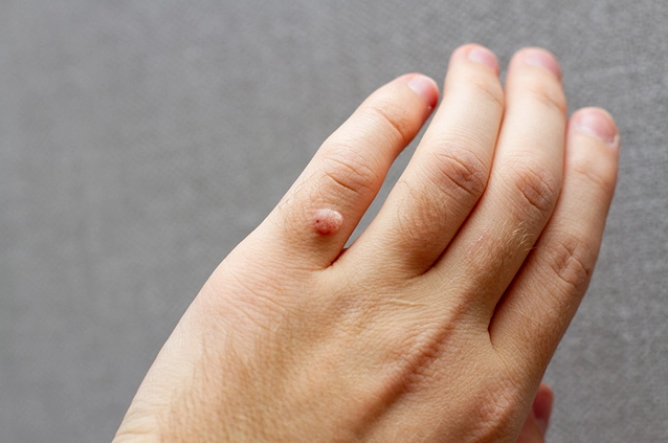
Common warts usually appear as small, rough papules that are skin-colored or grayish. They typically measure from a few millimeters to 1–2 centimeters in diameter. Lesions most often develop on the hands and feet and usually cause little or no itching.
Common types include:
Plantar warts: Found on the soles of the feet. Due to pressure from walking, the lesion often grows inward and may cause pain when standing or walking.
Flat warts: Small, smooth lesions that commonly appear on the face or the back of the hands.
Genital warts: Caused by sexually transmitted HPV infection and should be examined and treated promptly to prevent complications and further transmission.
Although warts are benign, they may spread, recur frequently, and affect appearance if not treated properly.
How Are Warts Treated?
Depending on the location, size, and number of lesions, doctors may recommend different treatments, such as:
Topical salicylic acid to remove the thickened skin layer
Cryotherapy using liquid nitrogen
Electrocautery or CO₂ laser therapy
Minor surgical procedures for large, persistent, or recurrent lesions
Patients should avoid cutting, burning, puncturing, or using unverified remedies on their own, as these actions may cause infection, bleeding, or scarring.
How Can Warts Be Prevented?
Do not share personal items such as towels or nail tools
Wear sandals or footwear in damp public areas
Keep the skin clean and dry and avoid scratching lesions
Maintain a healthy immune system
Seek medical consultation if suspicious skin lesions appear
| When unusual skin changes occur, people should visit reputable medical facilities for proper diagnosis and treatment. The Department of Dermatology and Burns at Bach Mai Hospital is a trusted center for the diagnosis and management of skin diseases, including warts. With experienced physicians and modern medical equipment, patients can receive safe and effective treatment while minimizing the risk of recurrence. |



78 Giai Phong Street, Kim Lien Ward, Hanoi City
1900.888.866
096.985.1616
Department of On-Demand Medical Examination:
Outpatient Department: Monday – Friday
Main responsible person: Associate Professor, Dr. Dao Xuan Co - Hospital Director





