 Ngày đăng: 25/12/2025Tác giả: Nguyen Ha - Thuy Linh
Seasonal influenza is a common respiratory infectious disease that can spread rapidly within communities and may lead to serious complications if not properly prevented. In Vietnam, hundreds of thousands of influenza cases are reported each year, with many requiring hospitalization-particularly among older adults, young children, and individuals with underlying health conditions.
Health experts emphasize that annual influenza vaccination remains the most proactive, safe, and effective method of prevention.
Influenza: A Disease That Should Not Be Taken Lightly
Influenza is an acute viral respiratory infection caused by influenza viruses, most commonly influenza A and influenza B strains.
The virus spreads easily through respiratory droplets when an infected person coughs, sneezes, or talks. Transmission may also occur when individuals touch contaminated surfaces and then touch their eyes, nose, or mouth.
Common symptoms of influenza include:
Sudden high fever
Cough
Sore throat
Runny nose
Headache
Muscle aches
Fatigue
In children, influenza may also cause nausea, vomiting, or diarrhea.
Although many influenza infections resolve on their own, delayed treatment or inadequate prevention can lead to serious health consequences.
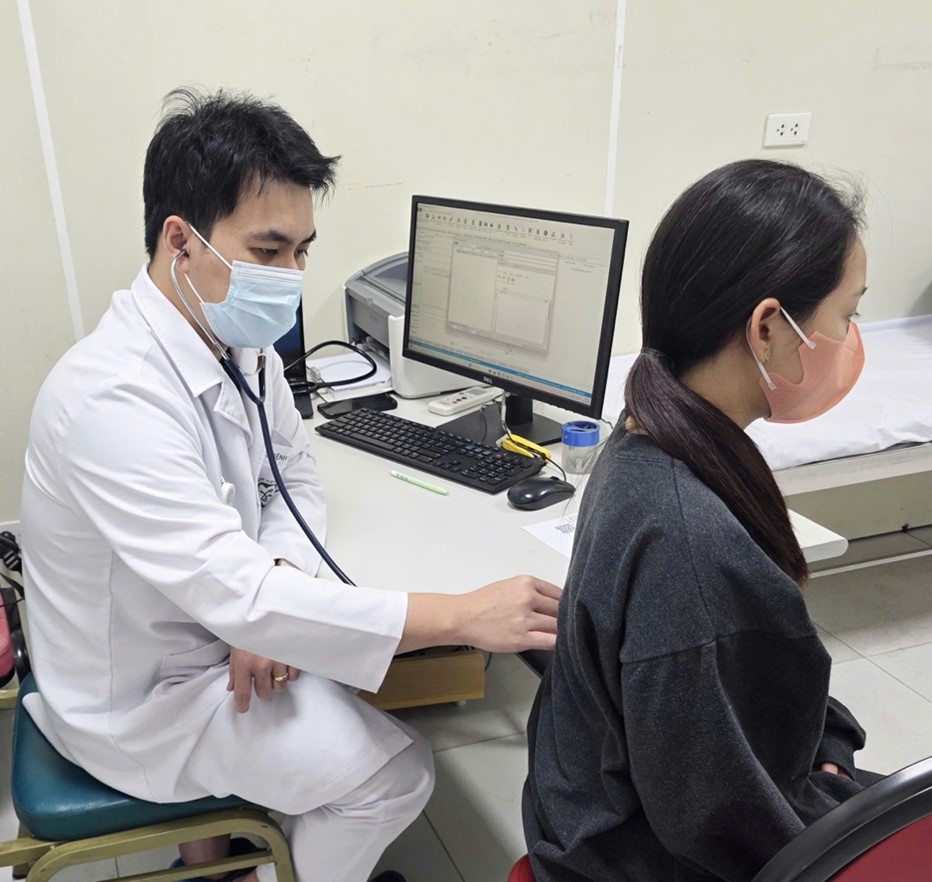
Influenza can cause pneumonia and respiratory failure
Risk of Severe Complications and Seasonal Outbreaks
According to infectious disease specialists at the Bach Mai Institute of Tropical Medicine, Bach Mai Hospital, influenza can lead to severe complications such as:
Pneumonia
Respiratory failure
Myocarditis
Encephalitis
Death in severe cases
For individuals with chronic conditions such as cardiovascular disease, diabetes, chronic lung disease, or weakened immune systems, influenza infection can worsen underlying illnesses, prolong treatment, and increase the risk of mortality.
Importantly, influenza viruses mutate frequently, meaning that immunity from previous infection or vaccination does not provide long-term protection. As a result, influenza outbreaks commonly occur seasonally, particularly during the winter–spring period or the rainy season.
For this reason, both the Ministry of Health of Vietnam and the World Health Organization (WHO) recommend annual influenza vaccination.
Groups Who Should Prioritize Influenza Vaccination
Influenza vaccination is recommended for everyone aged 6 months and older, with particular importance for high-risk groups, including:
Children aged 6 months to 5 years, especially those attending daycare or kindergarten
Older adults (generally 60–65 years and above)
Pregnant women at any stage of pregnancy
Individuals with chronic diseases such as cardiovascular disease, diabetes, chronic lung disease, kidney disease, or immunosuppression
Healthcare workers and caregivers of young children, elderly individuals, or patients
Vaccination not only protects the individual but also helps reduce influenza transmission within the community.
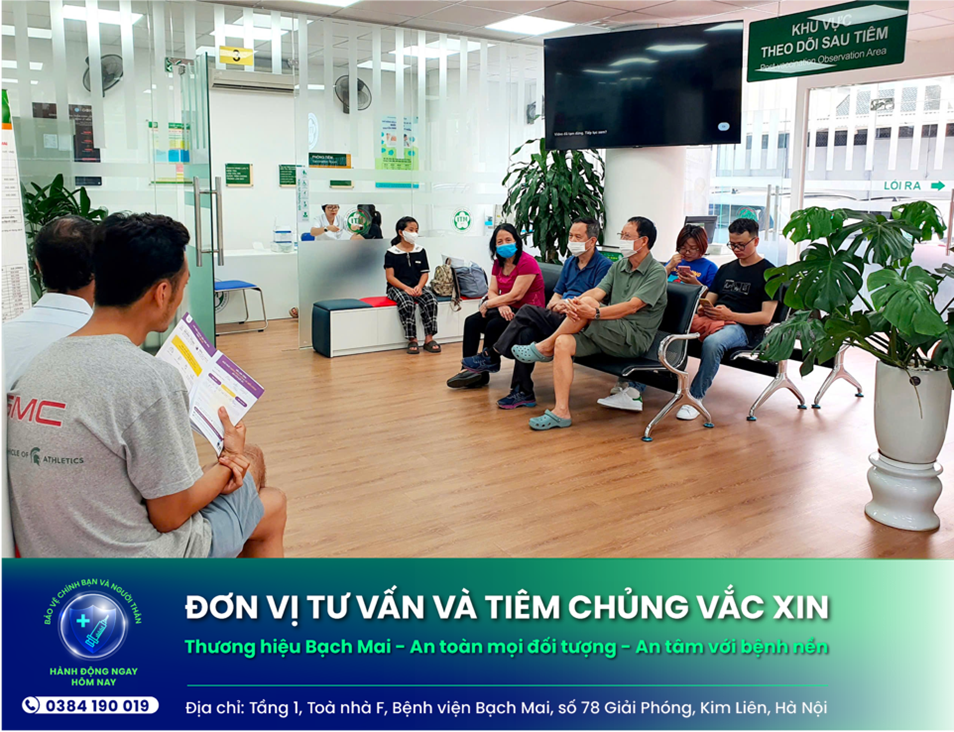
Influenza Vaccination: Safe, Effective, and Required Annually
Currently available influenza vaccines are inactivated vaccines, meaning they cannot cause influenza infection.
Vaccines are available in trivalent or quadrivalent formulations, providing protection against multiple circulating influenza strains. The vaccine composition is updated annually based on WHO recommendations.
Recommended vaccination schedule:
Individuals aged 9 years and older:
1 dose annually
Children aged 6 months to under 9 years:
First-time vaccination: 2 doses at least 4 weeks apart
Previously vaccinated: 1 booster dose annually
The optimal time for vaccination is 2–4 weeks before the influenza season begins. However, vaccination can still be administered at any time during the year if a person has not yet been vaccinated.
Vaccine Safety
Side effects of the influenza vaccine are typically mild and temporary, such as:
Pain at the injection site
Mild fever
Fatigue
Numerous studies have demonstrated that influenza vaccination reduces the risk of infection, lowers hospitalization rates, and decreases mortality, particularly among high-risk populations.As influenza viruses continue to evolve and outbreaks remain a constant threat, annual influenza vaccination is the simplest, most proactive, and most effective preventive measure.
Protecting yourself also means protecting your family and the community.



78 Giai Phong Street, Kim Lien Ward, Hanoi City
1900.888.866
096.985.1616
Department of On-Demand Medical Examination:
Outpatient Department: Monday – Friday
Main responsible person: Associate Professor, Dr. Dao Xuan Co - Hospital Director




