 Ngày đăng: 04/03/2026Tác giả: Kim Long
Being advised to undergo a kidney biopsy can naturally cause concern and anxiety. To help patients gain a clear understanding and feel mentally prepared, Master of Medicine, Resident Physician Ngo Thi Hoai from the Kidney - Urology & Dialysis Center, Bach Mai Hospital answers the most frequently asked questions - from what patients may experience in the procedure room to essential precautions for a safe recovery.
Do I need to fast before a kidney biopsy?
According to Dr. Ngo Thi Hoai, patients are generally advised to fast for about 4-6 hours before the procedure to minimize nausea and reduce the risk of rare complications that might require emergency intervention. However, small amounts of water are allowed.
Specific instructions will be tailored to each patient’s health condition, particularly for those with diabetes or hypertension.
I am taking blood thinners or cardiovascular medications. Will this affect the procedure?
This is extremely important information, and patients must inform their doctor about all medications they are taking.
Anticoagulants such as Aspirin, Clopidogrel, and Warfarin usually need to be discontinued 5–7 days prior to the biopsy to reduce the risk of bleeding.
Most antihypertensive medications are continued to ensure stable blood pressure during the procedure.
Is the biopsy needle large? Will removing tissue weaken my kidney?
The biopsy needle is very fine. Each sample typically contains only about 10–20 glomeruli out of approximately one million in a single kidney.
The amount of tissue removed is extremely small and does not affect overall kidney filtration function. The kidneys have strong compensatory capacity, so patients can feel reassured.
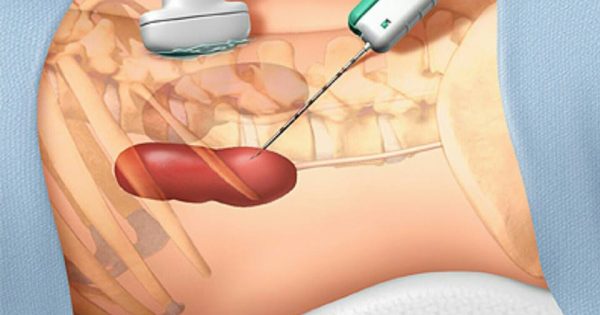
Can I move during the procedure?
Patients will lie in a prone position. When the doctor inserts the needle, you will be asked to hold your breath for about 5–10 seconds to prevent the kidney from moving with respiration, ensuring greater accuracy and safety.
After each sample is taken, you may breathe normally again. The doctor will guide you step by step throughout the process.
Why must I remain in bed for 6–24 hours after the biopsy?
The kidney is a highly vascular organ. Remaining still and applying gentle pressure to the lower back after the procedure helps achieve natural hemostasis and reduces the risk of hematoma formation at the puncture site.
This is the most critical stage of post-biopsy monitoring. Patients may turn gently with nursing assistance but should not sit up or walk prematurely.
When will I receive the biopsy results?
Kidney tissue samples undergo multiple processing and staining steps and are examined under light microscopy and immunofluorescence microscopy.
Preliminary results are usually available within 2–3 days.
Final detailed results may take 5-7 working days.
Based on these findings, physicians will conduct a clinical review and develop the most appropriate treatment plan.
What should I keep in mind after discharge?
During the first 1–2 weeks, patients should:
Avoid heavy lifting, running, or high-intensity exercise.
Avoid overexertion to prevent increased pressure on the biopsy site.
Drink adequate fluids and monitor urine color. If urine becomes dark red or if severe back pain develops, contact your doctor immediately.
Doctor’s Advice
“A relaxed mindset is the best natural pain reliever. Trust your medical team—we will accompany you through every breath to ensure the biopsy process is as gentle as possible.”
Checklist: Preparing for a Kidney Biopsy (For patients and caregivers)
To ensure a safe and smooth procedure, please review the following:
1. Before the biopsy (at home or in the hospital room)
Inform your doctor of all medications you are taking, especially anticoagulants, diabetes medications, antihypertensives, and any history of drug allergies.
Discontinue medications as instructed by your physician (if required).
Bathe thoroughly, particularly the lower back area.
Get adequate rest and maintain a calm mindset.
Female patients should inform their doctor if menstruation is approaching.
2. On the day of the procedure
Fast for 4-6 hours before the biopsy (small sips of water are allowed).
Wear loose hospital clothing and remove jewelry or metallic accessories.
Empty your bladder before entering the procedure room.
Have at least one family member accompany you for post-procedure support.
3. In the biopsy room (15-30 minutes)
Listen carefully to instructions regarding positioning and breathing.
Follow the “Hold your breath – Breathe normally” commands precisely.
Stay relaxed to minimize discomfort.
4. After the biopsy - the most important stage
Remain in bed for 6–24 hours as instructed.
Drink adequate fluids after the procedure.
Monitor urine color; report dark red urine or increasing back pain immediately.
Inform medical staff if you experience severe abdominal pain, discomfort, or a sensation of flushing or warmth.



78 Giai Phong Street, Kim Lien Ward, Hanoi City
1900.888.866
096.985.1616
Department of On-Demand Medical Examination:
Outpatient Department: Monday – Friday
Main responsible person: Associate Professor, Dr. Dao Xuan Co - Hospital Director





