 Ngày đăng: 03/03/2026Tác giả: ThS.BSNT. Đồng Thị Thu Thảo
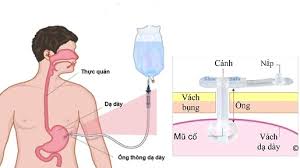
Feeding through a PEG tube ensures proper nutrition and minimizes complications such as reflux, aspiration, or tube blockage. This guide provides essential instructions for patients and caregivers.
1. Preparation Before Feeding
· Food and Supplies: Prepare food as prescribed (formula milk, pureed food, or nutritional solutions). Ensure the food is at a lukewarm temperature (approximately 37°C)—neither too hot nor too cold.
· Clean Equipment: Prepare a clean feeding syringe, cooled boiled water, and clean towels.
· Patient Positioning: The patient should be in a semi-upright position (head elevated 30-45 degrees). Maintain this position throughout the feeding process and for at least 30 minutes afterward.
2. Feeding Principles
· Check the Tube: Ensure the tube is not kinked, displaced, or slipped out of position.
· Flush the Tube: Flush the tube with 20–30ml of clean water before feeding.
· Administer Food: Feed slowly and steadily; do not push the food in too quickly. Each feeding session should last approximately 15–30 minutes.
· Post-Feeding Flush: Flush the tube again after feeding to prevent clogs.
· Contraindications: Do not feed if the patient experiences abdominal pain, nausea, or bloating.
3. Frequency and Volume
· Divide the daily intake into several small meals.
· Gradually increase the food volume based on the patient’s tolerance.
· Ensure adequate daily water intake.
4. Important Precautions
· Consultation: Do not crush medications and mix them with food without professional medical advice.
· Food Consistency: Avoid using food that is too thick or has not been thoroughly pureed.
· Monitoring: Stop feeding immediately and consult a doctor if the patient has severe abdominal pain, persistent vomiting, or a distended abdomen.
5. Daily Care and Hygiene
· Clean the skin around the PEG site daily with mild soap and water or sterile saline.
· Gently remove any discharge or crusting.
· Keep the area dry and change the dressing/gauze daily or whenever it becomes wet or soiled.
· Avoid using ointments or powders around the tube site unless directed by your physician.



78 Giai Phong Street, Kim Lien Ward, Hanoi City
1900.888.866
096.985.1616
Department of On-Demand Medical Examination:
Outpatient Department: Monday – Friday
Main responsible person: Associate Professor, Dr. Dao Xuan Co - Hospital Director





