 Ngày đăng: 09/04/2026Tác giả: Nguyen Ha - Thanh Duong
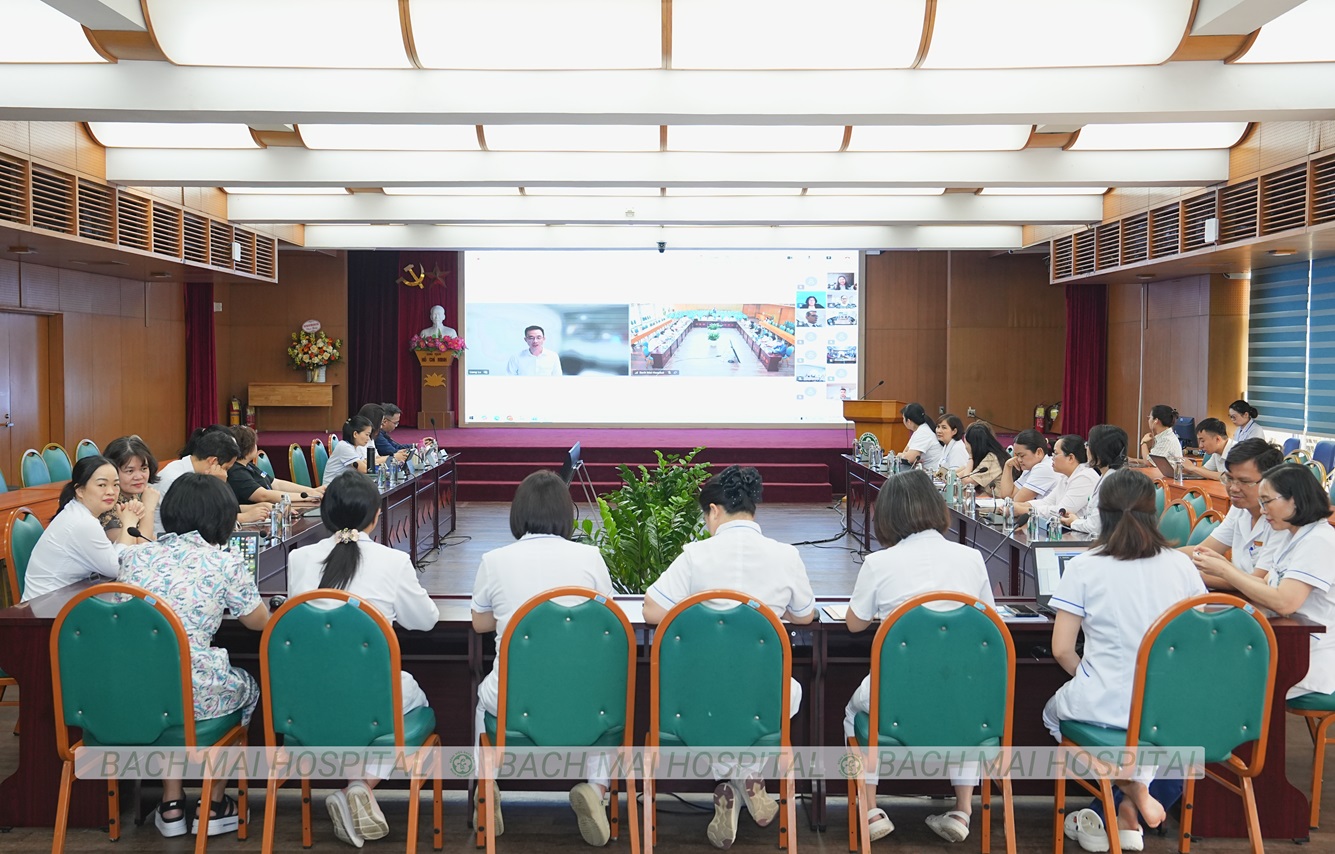
On April 8, the PRIME (Preventing Risks of Infections and Medication Errors in IV Therapy) program for Southeast Asia was officially launched, marking a significant step forward in efforts to enhance patient safety in line with international standards. Bach Mai Hospital is one of Vietnam’s representative institutions participating in the program and has been introduced to the global medical community.
The launch ceremony was attended by Dr. Jeannell Masur, Senior Advisor at Joint Commission International (JCI) in medication safety management; Dr. Jayan Giri, Regional Clinical Director for Southeast Asia; Mr. Liang Lu, Vice President of BD Southeast Asia; along with experts and leaders from JCI and Becton Dickinson (BD), and representatives from hospitals implementing PRIME in Indonesia, Malaysia, the Philippines, and Vietnam.
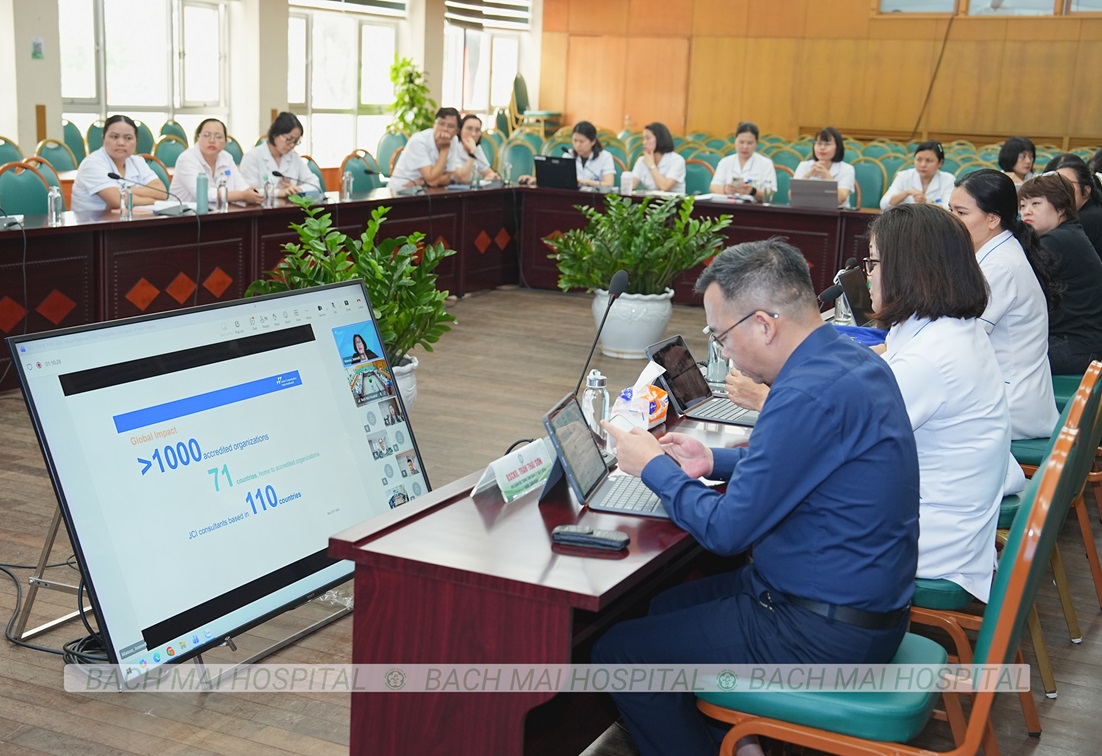
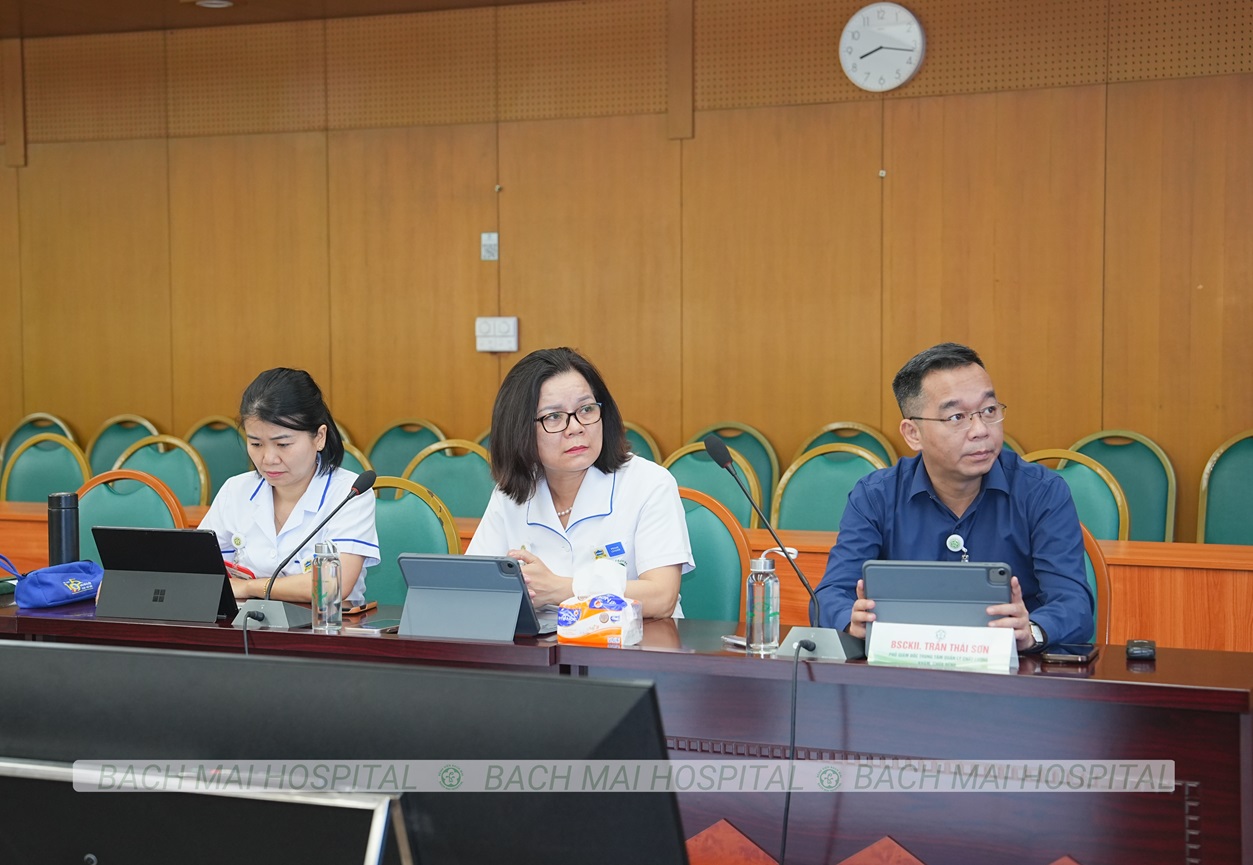
Representing Bach Mai Hospital was a delegation led by Dr. Tran Thai Son (Specialist Level II), Deputy Director of the Center for Healthcare Quality Management, along with leaders and staff from key departments, including Nursing and Patient Care, Pharmacy, Quality Management, Medical Equipment and Supplies, Administration, Infection Control, and head nurses from participating units.
During the program, the Organizing Committee awarded certificates of completion/participation to three hospitals and introduced six new hospitals joining the network.
International Standards Toward “Zero Harm” in Healthcare
PRIME (Preventing Risks of Infections and Medication Errors in IV Therapy) is a program developed by Joint Commission International (JCI) in collaboration with BD, focusing on controlling two major risks in inpatient care: medication errors and hospital-acquired infections.
According to international studies, medication errors may occur at rates ranging from 15% to 88% during treatment, while hospital-acquired infections affect approximately 9% of patients and can increase mortality risk by up to 46%. These figures highlight significant challenges facing healthcare systems worldwide.
JCI-widely regarded as the “gold standard” in healthcare quality accreditation-promotes the vision of “Zero Harm,” emphasizing that risks must be identified and controlled before causing harm to patients.
PRIME at Bach Mai: Beyond a Project, Toward System-Wide Improvement
At Bach Mai Hospital, PRIME is not viewed merely as a professional program but as a comprehensive improvement strategy built on three pillars: standardizing processes according to international standards; establishing continuous patient safety monitoring systems; and fostering a hospital-wide culture of safety.
The program is scheduled to be implemented over six months, starting in June 2026, with phases including preparation, training, implementation, monitoring, evaluation, and certification.
According to the plan, ten key clinical units will participate in the pilot phase, including the Intensive Care Center, Emergency Center A9, Stroke Center, Pediatrics Center, Dermatology and Burns Department, Urology Surgery Department, Hematology and Blood Transfusion Center, Respiratory Center, Gastrointestinal Surgery Center, and the Gastroenterology and Hepatobiliary Center.
Notably, the program engages the entire hospital system-from leadership and quality management teams to frontline nurses, who directly perform procedures and provide patient care.
Standardizing Practices: Key to Reducing Errors and Complications
PRIME focuses on the entire intravenous therapy process, from medication preparation (environment, aseptic techniques, dosage calculation), order execution and infusion, to line maintenance, complication prevention, and monitoring of infections and medication errors.
The program applies quality improvement models such as PDSA (Plan–Do–Study–Act), combined with regular clinical monitoring systems to ensure consistent and effective implementation of best practices.
Monitoring activities are not intended to “find faults” but to drive continuous improvement, enabling healthcare workers to identify gaps in practice and enhance professional capacity.
Affirming Bach Mai’s Position on the Global Healthcare Map
Program representatives emphasized that PRIME serves as a bridge to bring global best practices into individual healthcare institutions, translating international standards into tangible clinical outcomes.
For Bach Mai Hospital, participation in PRIME is not only aimed at minimizing infection risks and medication errors but also at achieving the long-term goal of becoming an internationally standardized hospital model that can be replicated.
In the context of deepening global integration, this represents a strategic step for Bach Mai to further affirm its role as a leading tertiary hospital and a major medical center in the region, while improving quality of care and ensuring maximum patient safety.
PRIME is not merely a program-it is a journey toward a safer healthcare system, where every process is standardized, every risk is controlled, and every patient is optimally protected.



78 Giai Phong Street, Kim Lien Ward, Hanoi City
1900.888.866
096.985.1616
Department of Examination on Demand:
Department of Examination: Monday - Friday
National Route 21B, Liem Tuyen Ward, Ninh Binh Province
1900.888.866
0969851616
Outpatient Department on Demand (On-demand Clinic)
+ Monday - Friday:
+ Saturday - Sunday:
Outpatient Department (Standard Clinic): Monday - Friday
+ Working hours:
Main responsible person: Associate Professor, Dr. Dao Xuan Co - Hospital Director




