 Ngày đăng: 26/05/2026Tác giả: Do Hang - The Anh
On May 26, Bach Mai Hospital held its first Scientific Conference on Clinical Transfusion Medicine under the theme “Safe Blood Issuing and Utilization in a Multidisciplinary Clinical Setting.” The event attracted more than 250 in-person participants and over 1,000 physicians nationwide attending online.
The conference brought together leading experts in hematology, transfusion medicine, emergency and critical care, and clinical medicine, including Associate Professor Nguyen Ha Thanh, Director of the National Institute of Hematology and Blood Transfusion; Associate Professor Huynh Nghia, Vice Rector of the University of Medicine and Pharmacy at Ho Chi Minh City; Professor Pham Quang Vinh, former Director of the Hematology and Blood Transfusion Center at Bach Mai Hospital, along with international experts and young physicians from across the country.
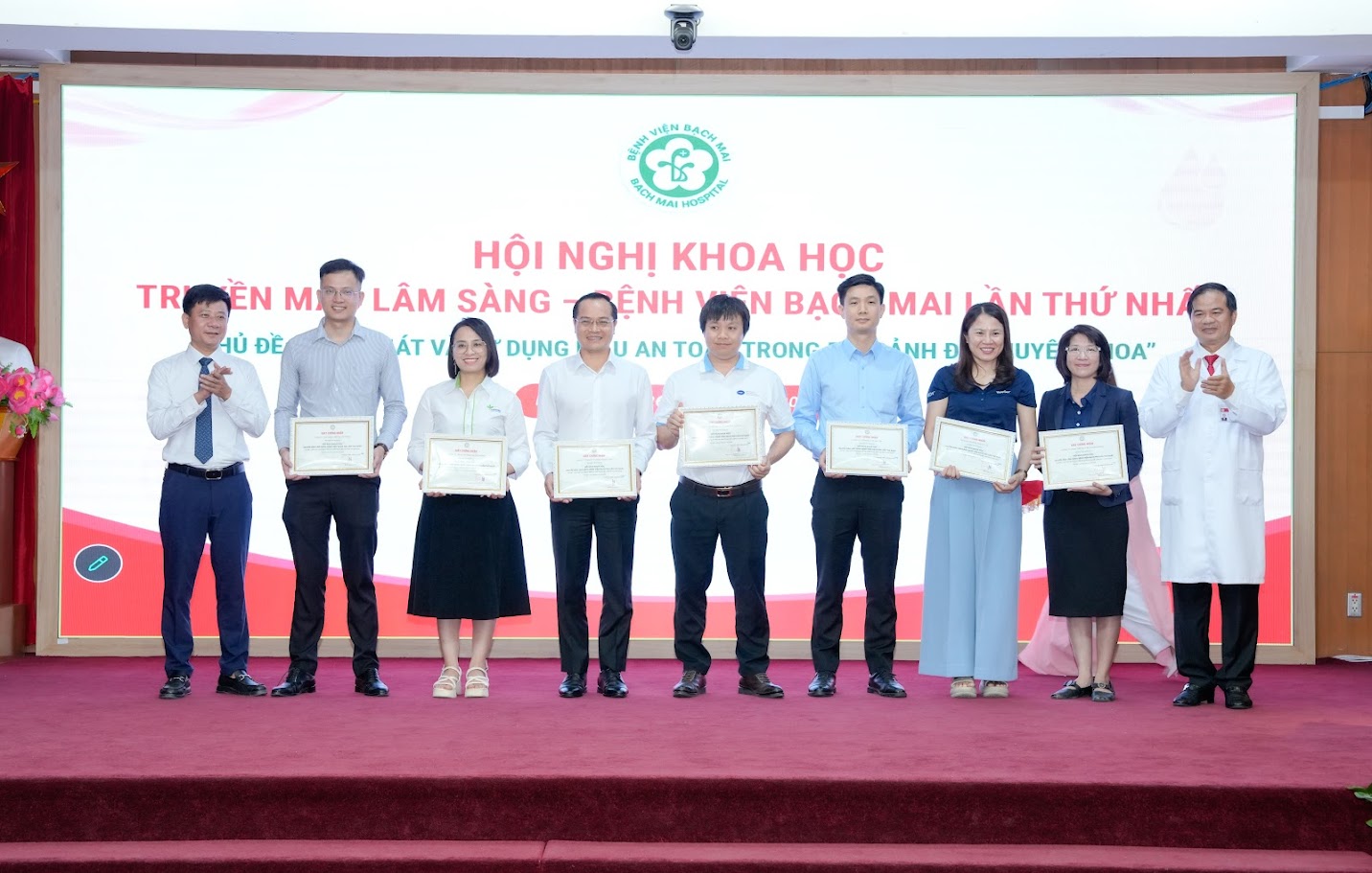
Blood transfusion is no longer just about “having enough blood”
In his opening remarks, Associate Professor Dao Xuan Co, Director of Bach Mai Hospital, emphasized that for tertiary referral hospitals, every unit of blood can be lifesaving in emergency care, intensive care, and specialized treatment.
According to him, blood remains a unique biological product for which science has yet to develop a complete substitute. Delivering a safe blood unit to a patient requires a continuous chain of processes, from donor mobilization, collection, screening, processing, and storage to clinical indication and utilization.
However, modern medicine has shifted its perspective on transfusion safety. Today, safe transfusion is no longer limited to ensuring an adequate blood supply; it must move toward Patient Blood Management (PBM) - an evidence-based, patient-centered approach aimed at optimizing the entire transfusion process.
“The core objective is to ensure the ‘five rights’: the right patient, the right blood component, the right timing, the right indication, and close monitoring throughout treatment,” Associate Professor Dao Xuan Co stressed.
The challenge of transfusion safety in tertiary hospitals
As a special-class general hospital, Bach Mai Hospital frequently manages critically ill and highly complex cases. The rapid expansion of advanced medical techniques such as ECMO, organ transplantation, cancer treatment, hematologic malignancy care, and multi-organ intensive care has significantly increased and diversified the demand for blood products.
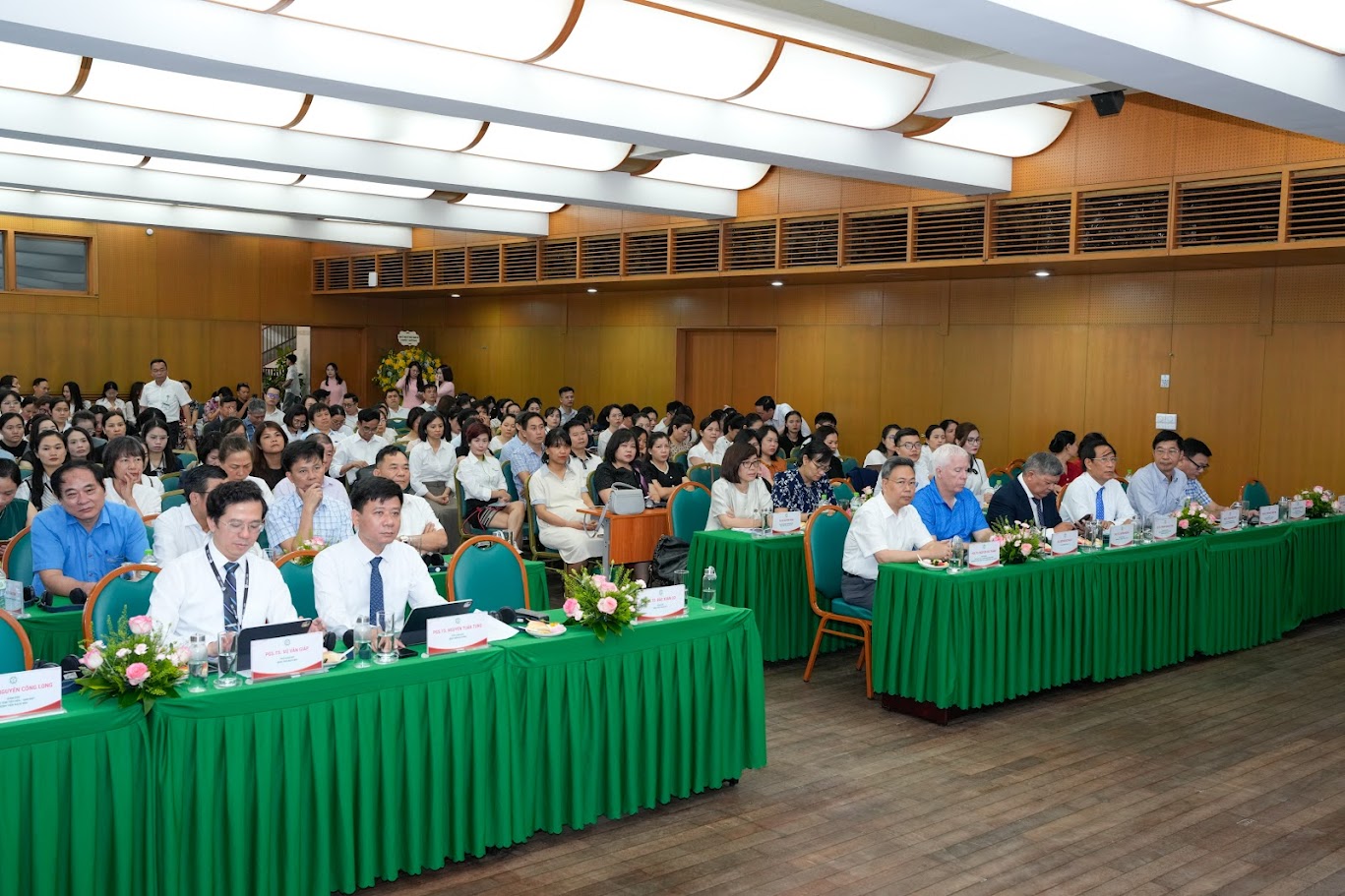
Experts noted that in this context, transfusion safety can no longer rely solely on individual experience. Instead, it requires systematic governance, data-driven management, and multidisciplinary collaboration.
This was also the reason the conference dedicated four scientific sessions to two key themes: clinical blood utilization and safe blood issuing. Among the 22 scientific presentations delivered, many studies derived directly from bedside emergency and treatment practices attracted strong professional interest.
The organizing committee highly appreciated the participation of young physicians - those who face complex transfusion and resuscitation challenges in daily clinical practice. Many practical clinical questions and difficulties have been transformed into research topics aimed at improving patient care outcomes.
Toward modern blood management and international integration
At the conference, Associate Professor Dao Xuan Co outlined five strategic priorities for advancing hematology and transfusion medicine toward modernization and international integration.
Key priorities include the comprehensive implementation of Patient Blood Management systems, standardization of clinical practices according to international standards, strengthening hemovigilance systems to monitor transfusion-related adverse events, accelerating blood bank digitalization, applying artificial intelligence to forecast blood demand, and developing interconnected transfusion databases among healthcare institutions.
Hospital leadership also emphasized that hematology and transfusion medicine must be closely integrated with other cutting-edge specialties such as intensive care, organ transplantation, immunology, cell therapy, and precision medicine.
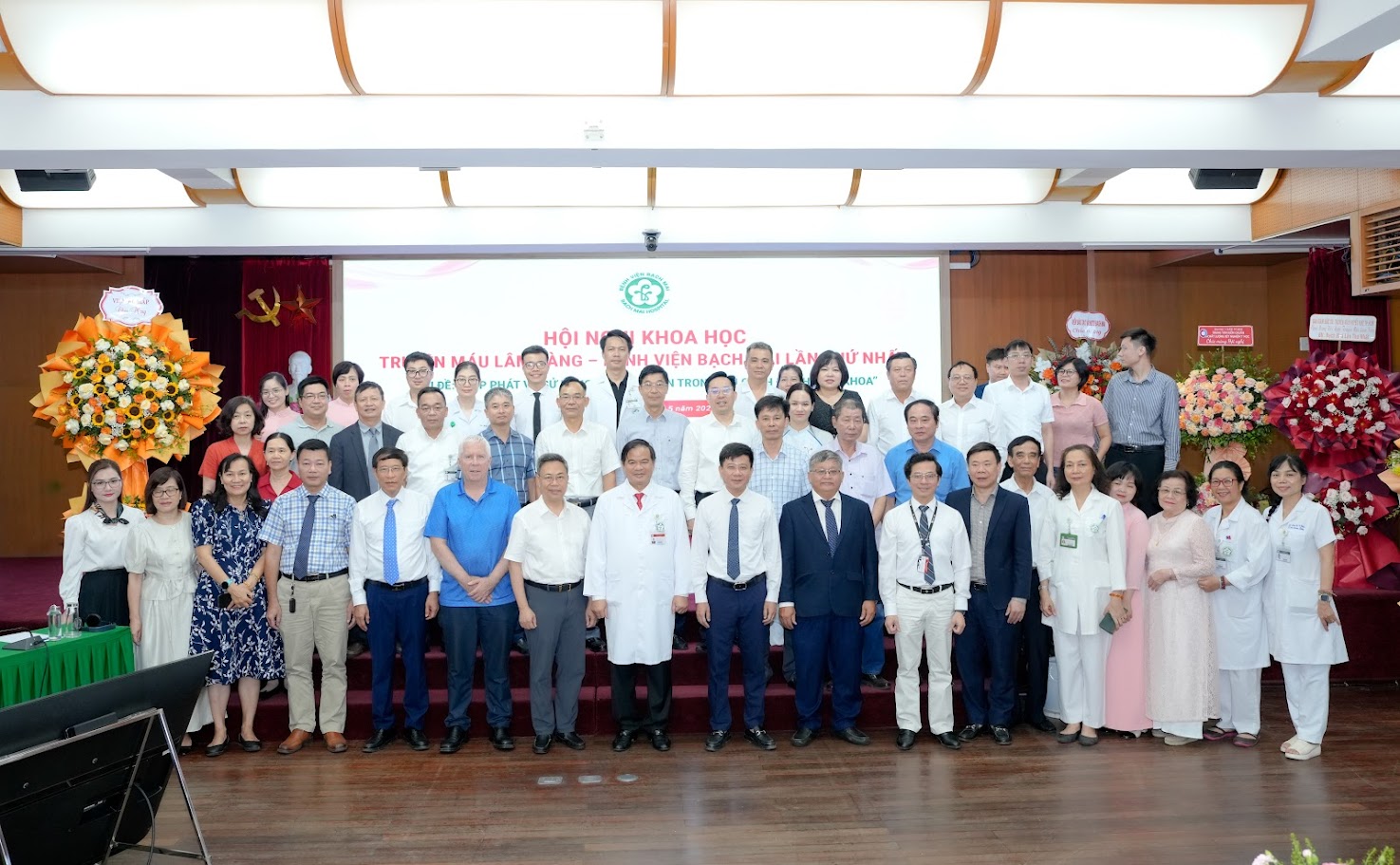
Bach Mai Hospital aims not only to improve treatment quality within the institution, but also to collaborate with the Ministry of Health, the National Institute of Hematology and Blood Transfusion, and hospitals nationwide to standardize clinical practices, strengthen national blood security capacity, and enhance preparedness for medical emergencies, natural disasters, and epidemics.
According to experts, the conference’s greatest value lies not merely in the number of scientific reports or the scale of the event, but in establishing a sustainable professional network connecting clinical medicine, laboratory medicine, and transfusion management. This is considered a crucial foundation for translating real-world research into better patient care, with the ultimate goal of improving transfusion safety in modern healthcare.


78 Giai Phong Street, Kim Lien Ward, Hanoi City
1900.888.866
096.985.1616
Department of On-Demand Medical Examination:
Outpatient Department: Monday – Friday
Main responsible person: Associate Professor, Dr. Dao Xuan Co - Hospital Director




