 Ngày đăng: 23/03/2026Tác giả: Department of Nursing and Patient Care
From March 16 to March 19, 2026, Bach Mai Hospital organized a working program with experts from the REI Organization, implementing a series of training sessions, workshops, and hands-on clinical guidance across multiple specialized units. The program not only provided updated knowledge and shared international experience but also contributed to standardizing nursing practice, improving the quality of care, and developing a high-quality nursing workforce at the hospital.
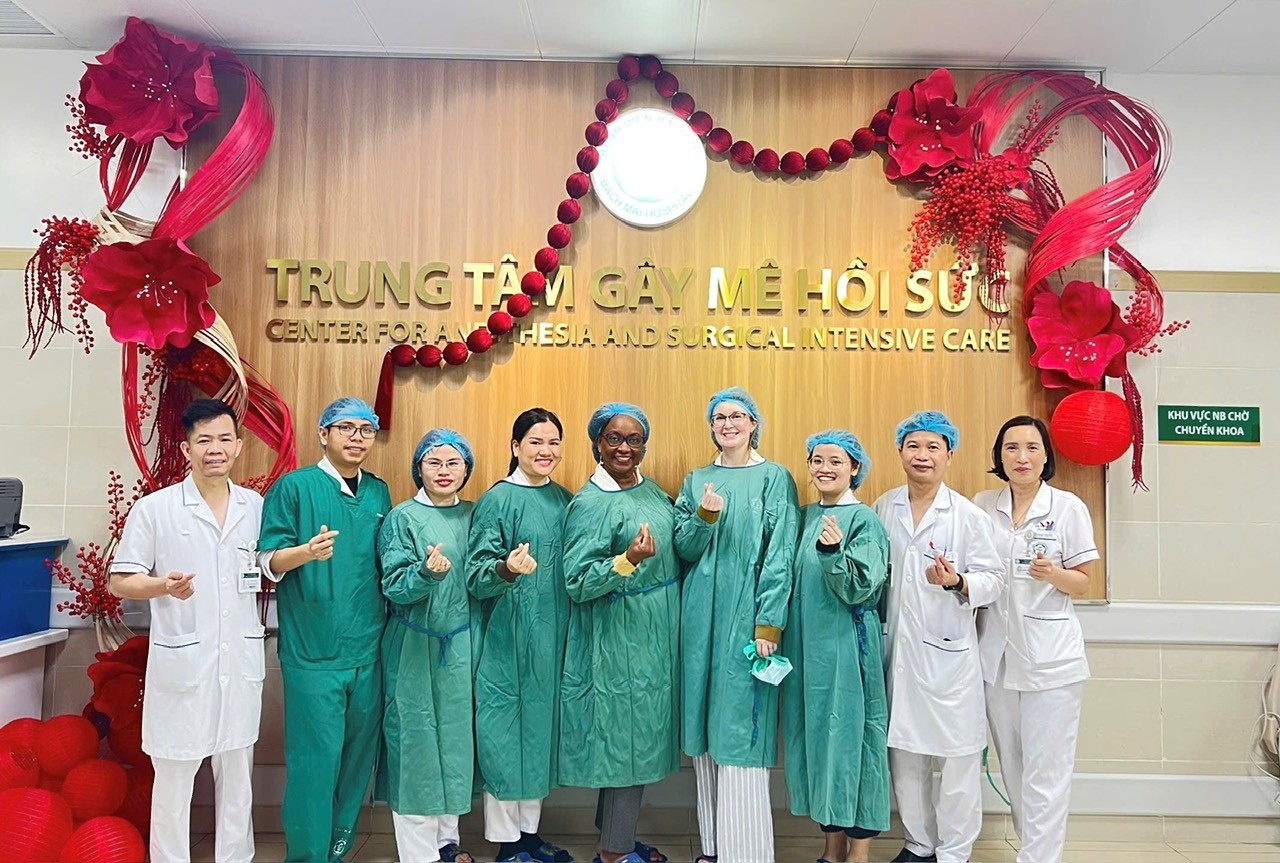
Over the four-day program, five experts from REI participated in six scientific workshops, conducted training on 10 bedside practice topics, and delivered 10 knowledge update sessions at various units, including the Department of Nursing and Patient Care, the Center for Healthcare Quality Management, Bach Mai Medical College, the Institute of Mental Health, the Center for Anesthesiology and Critical Care, the Pediatrics Center, the Respiratory Center, the Hematology and Blood Transfusion Center, and clinical departments.
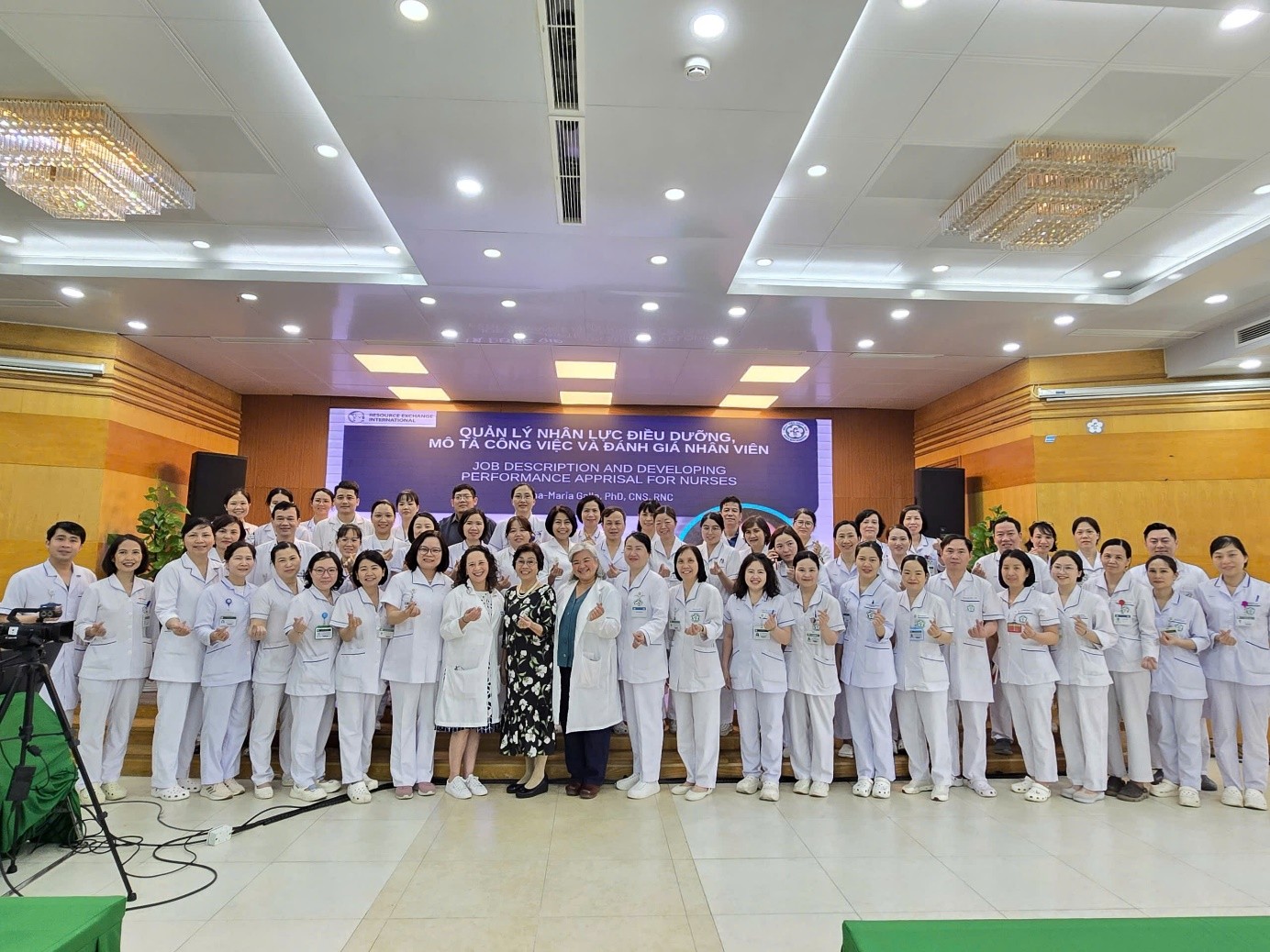
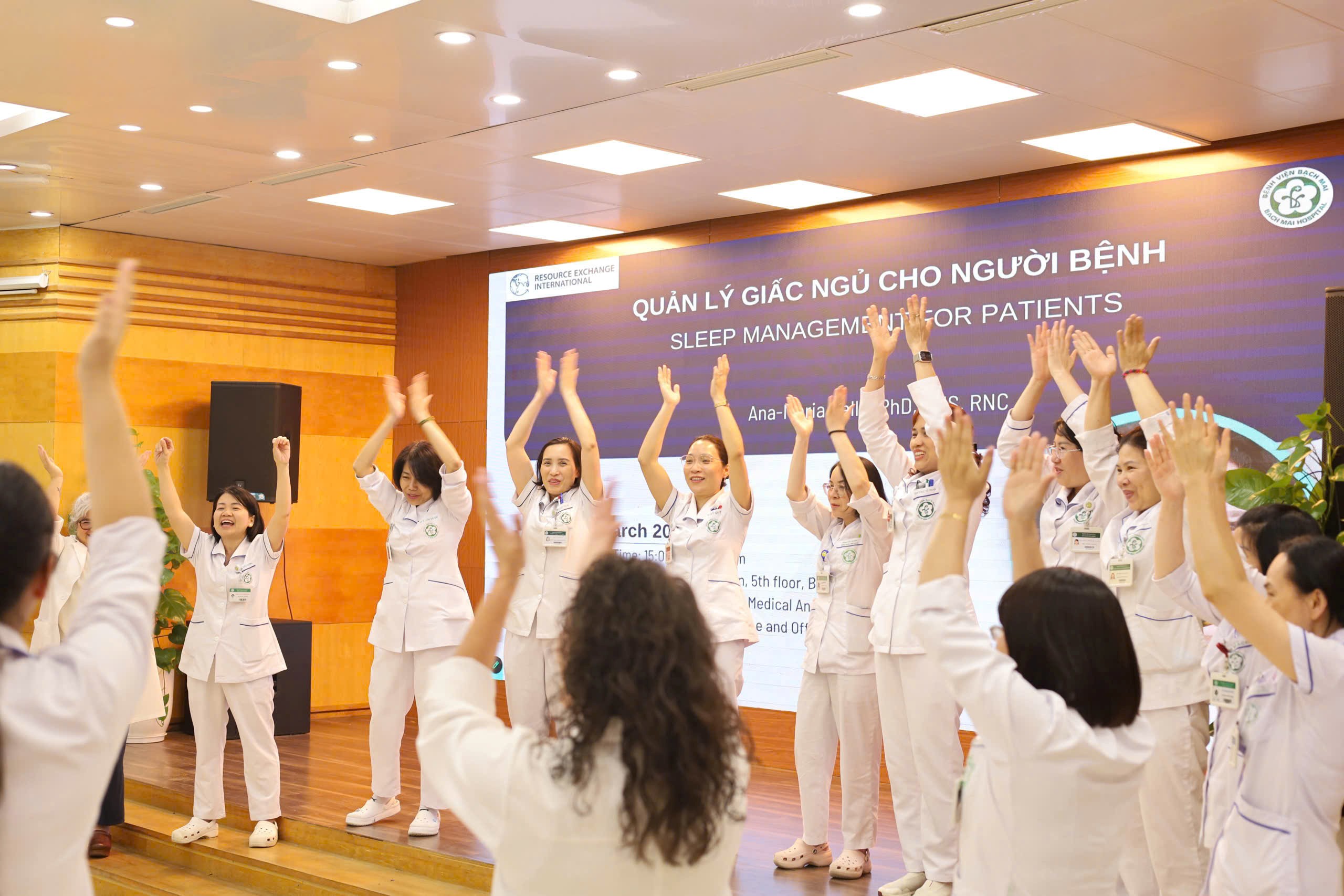
A key highlight of the program was a series of six scientific workshops addressing practical topics closely aligned with the needs of nursing practice and hospital management. These included nursing workforce management, job descriptions and staff evaluation; quality improvement; sleep management for patients; competency-based training; standardized clinical simulation; and the introduction of models for palliative care, end-of-life care, and Enhanced Recovery After Surgery (ERAS). The workshops were held onsite at Bach Mai Hospital, while also being connected online via Zoom to 52 satellite sites and livestreamed on the hospital’s Facebook platform, attracting more than 1,000 participants.
At the Center for Anesthesiology and Critical Care and surgical departments, experts focused on highly applicable topics such as postoperative pain management and Enhanced Recovery After Surgery (ERAS). Training activities combined theoretical instruction with clinical practice, helping nurses strengthen their role in postoperative care, pain monitoring, and supporting patients throughout their recovery process.
At the Institute of Mental Health, the program updated participants on the standardized nursing language system NANDA–NIC–NOC in mental health care, alongside in-depth discussions on caring for patients at risk of suicide and agitation. This approach contributes to standardizing nursing diagnoses, interventions, and outcome evaluation in the field of mental health.
At the Pediatrics Center, experts provided guidance on safe urinary catheter care, prevention of catheter-associated urinary tract infections, early recognition of abnormalities, and the application of the Pediatric Early Warning Score (PEWS) system to detect early signs of clinical deterioration in children.
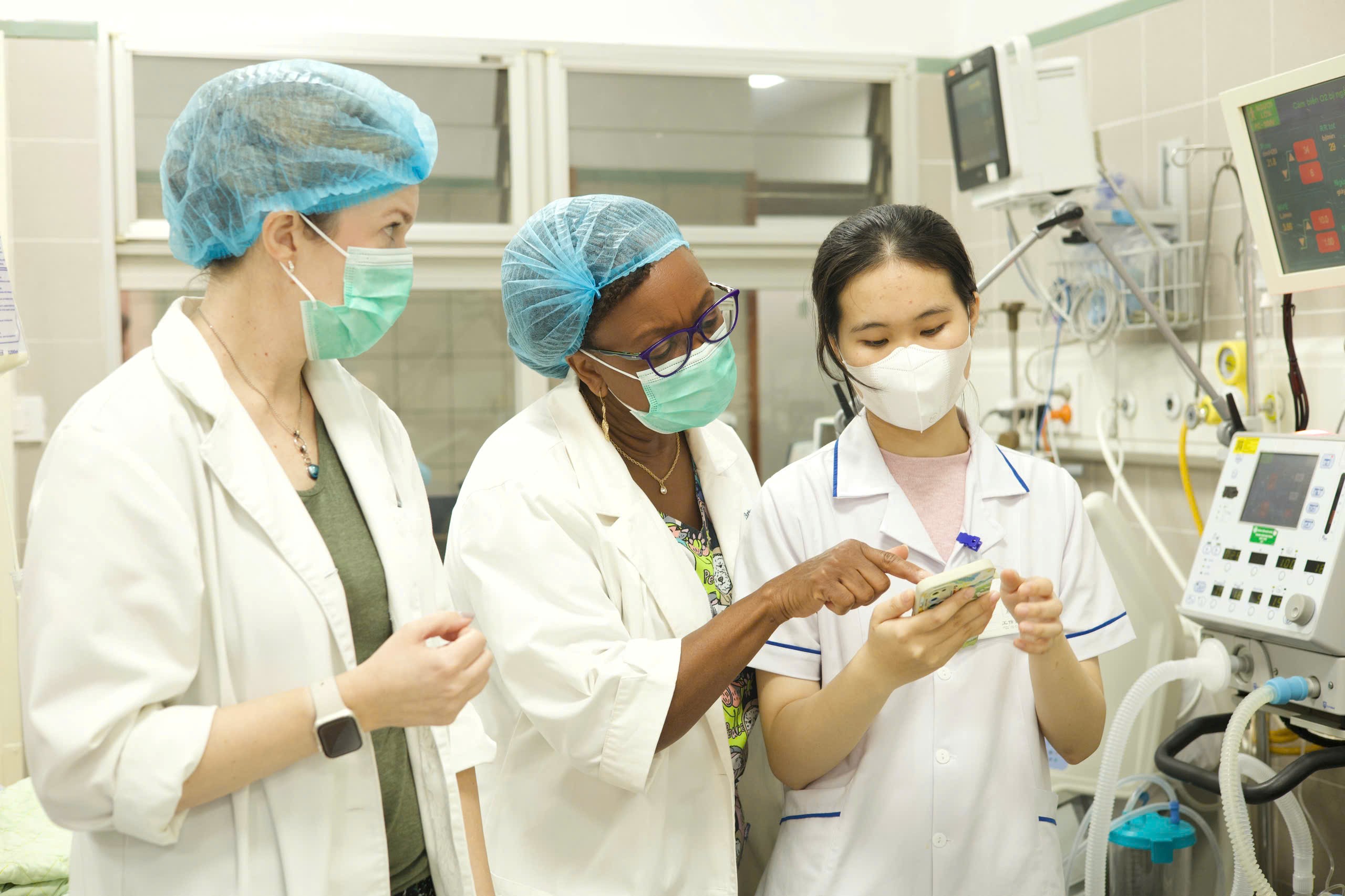
At the Respiratory Center, the program focused on enhancing nursing capacity in assessing dyspnea, recognizing critical respiratory failure, managing complications in patients with COPD, and caring for patients with asthma. In addition to clinical knowledge, experts also recommended strengthening counseling and communication on mental health and pulmonary rehabilitation, further expanding the role of nurses in comprehensive chronic disease management.
At the Hematology and Blood Transfusion Center, experts guided the use of screening tools and psychological assessment for patients with hematologic conditions and pre-transplant patients, while also sharing therapeutic communication skills, empathetic listening, and early recognition of psychological distress. These are highly practical contents that contribute to improving comprehensive patient care.
The working program with REI experts continues to affirm Bach Mai Hospital’s commitment to international integration, continuous learning, and professional development. Through international cooperation, the hospital not only updates the latest trends in nursing education and practice but also gradually standardizes care activities, placing patients at the center and striving toward higher quality and greater patient satisfaction.


78 Giai Phong Street, Kim Lien Ward, Hanoi City
1900.888.866
096.985.1616
Department of On-Demand Medical Examination:
Outpatient Department: Monday – Friday
Main responsible person: Associate Professor, Dr. Dao Xuan Co - Hospital Director




