 Ngày đăng: 14/04/2026Tác giả: By Nguyên Hà
A runner participating in a race on April 12 suddenly collapsed, turned cyanotic, and went into cardiac arrest just about 10 meters from the finish line. Thanks to early detection and prompt emergency care, the patient survived the critical episode. However, the incident once again highlights the hidden risks associated with intense physical exertion.
Doctors from the A9 Emergency Center at Bach Mai Hospital note that cardiac arrest during sports is not uncommon, especially as the running movement grows rapidly while many participants still lack essential safety knowledge.
Running is an effective way to improve health, but acute cardiovascular events-particularly sudden cardiac arrest-can still occur, even in individuals with no prior symptoms. The risk increases with excessive exertion, dehydration, lack of sleep, or exercising in hot weather conditions.
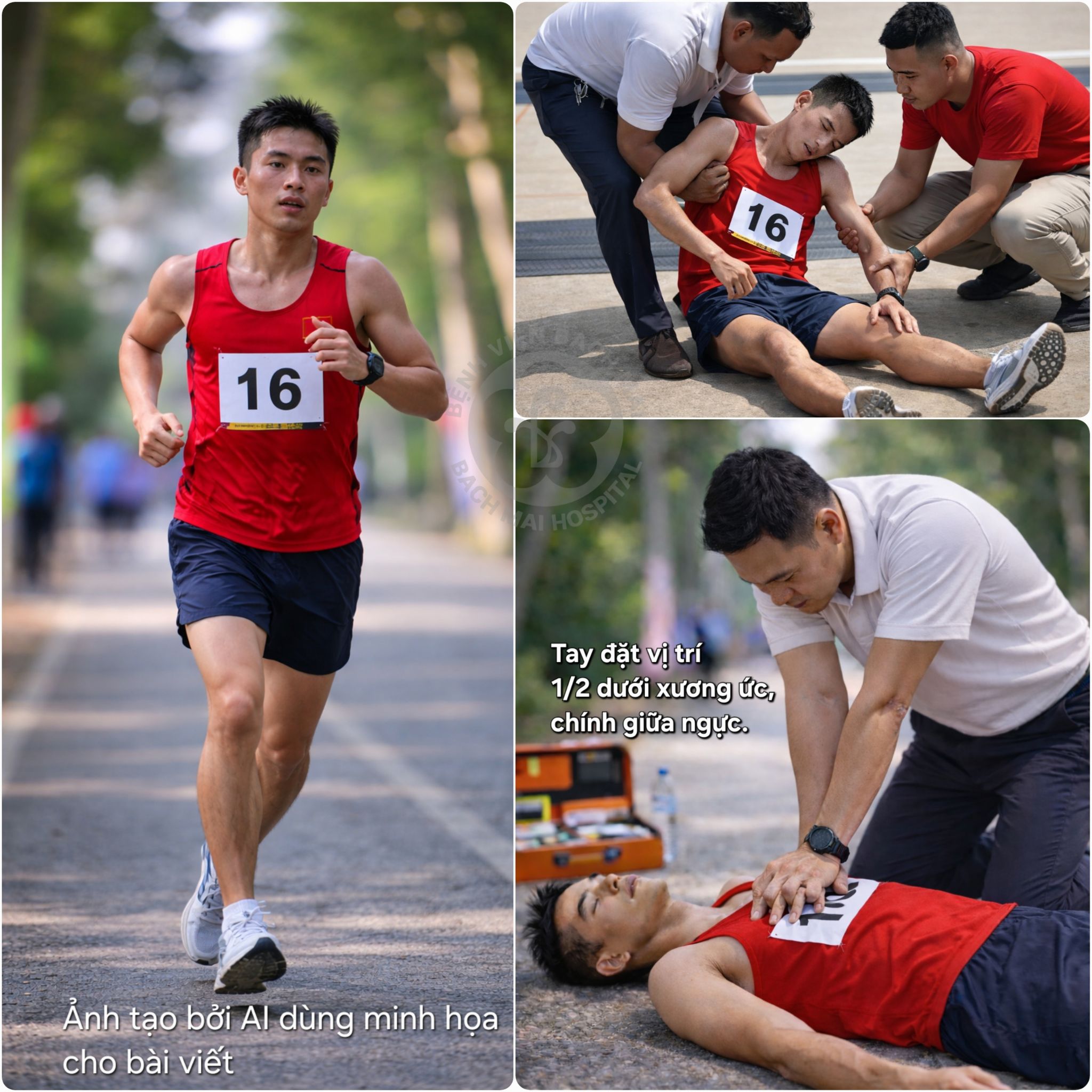
According to Assoc. Prof. Dr. Nguyen Anh Tuan, Director of the A9 Emergency Center, runners should pay close attention to warning signs such as dizziness, chest pain, shortness of breath, irregular heartbeat, extreme fatigue, or confusion. When these symptoms appear, exercise should be stopped immediately and medical assistance sought.
In cases of cardiac arrest, immediate first aid is crucial. When the heart stops beating, the brain can begin to suffer damage within 4–6 minutes if blood flow is not restored. Therefore, cardiopulmonary resuscitation (CPR) and the use of an automated external defibrillator (AED) should be performed as soon as possible. Timely intervention can significantly improve survival chances.
Summer, when many sporting events take place, is also a high-risk period. Experts recommend that participants undergo health check-ups before competitions, particularly those over 35 or with underlying conditions such as cardiovascular disease, hypertension, or diabetes.
In addition, runners should ensure adequate sleep, avoid stimulants, train according to their physical condition, stay well hydrated, and adjust intensity in hot weather. Most importantly, they should listen to their bodies and avoid pushing beyond safe limits.
Raising public awareness and training in cardiopulmonary resuscitation is also considered a key factor in improving survival rates, enabling timely life-saving interventions at the scene.



78 Giai Phong Street, Kim Lien Ward, Hanoi City
1900.888.866
096.985.1616
Department of On-Demand Medical Examination:
Outpatient Department: Monday – Friday
Main responsible person: Associate Professor, Dr. Dao Xuan Co - Hospital Director




