 Ngày đăng: 13/03/2026Tác giả: Nguyen Thi Thao, MSc, MD (Clinical Nutrition)
Taking care of your health is a journey built from the smallest choices you make every day. Along with physical activity and a healthy lifestyle, nutrition plays a fundamental role in maintaining good health. However, amid the overwhelming amount of information about complex diet plans, many people feel confused about which diet is the most suitable.
That is why the “Healthy Eating Plate” approach was developed - a visual, easy-to-understand, and highly practical tool that anyone can apply in their daily meals.
1. What is the Healthy Eating Plate?
The Healthy Eating Plate is a model that organizes food groups within a meal according to balanced nutritional proportions. Instead of weighing every gram of food, counting calories, or memorizing complicated nutritional tables, you look at your plate and arrange foods according to the recommended portions.
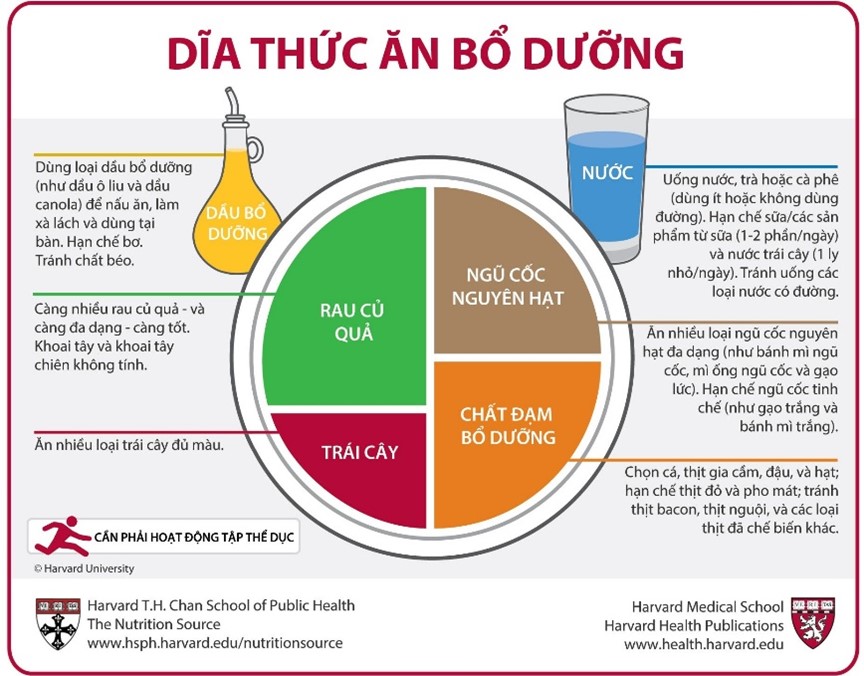
This method was developed by nutrition experts at the Harvard T.H. Chan School of Public Health and is widely supported by reputable health organizations worldwide, including the World Health Organization (WHO) and the Vietnamese Ministry of Health.
The principle behind this model is to optimize the diversity of foods within a meal, helping to:
Control blood sugar by prioritizing whole grains
Provide essential vitamins and minerals from a variety of colorful fruits and vegetables
Build muscles and cells through high-quality protein sources
Support digestion with adequate dietary fiber
2. How to Prepare a Healthy Eating Plate
Prepare a regular plate with a diameter of 20–25 cm and divide it into the following sections:
½ Plate – Vegetables and Fruits (with more vegetables than fruits)
This is the most important portion, yet it is often overlooked in many meals. Choose vegetables and fruits based on the principle: the more colorful, the better.
For example:
Green from leafy vegetables
Red from tomatoes
Orange from carrots
The greater the variety of colors, the more vitamins, minerals, and antioxidants your body receives. This section also provides a large amount of fiber, which brings numerous health benefits.
Note: Potatoes, corn, and pumpkin are not counted as vegetables in this model; they are classified as carbohydrates.
¼ Plate – Whole Grains (Slow-digesting carbohydrates)
Prioritize foods that provide slow-absorbing carbohydrates, such as:
Brown rice
Oats
Whole-grain bread
Quinoa
Corn
Boiled sweet potatoes
These foods retain their bran layer, which is rich in B vitamins and fiber, helping you feel full longer, control blood sugar levels, and reduce fat accumulation.
¼ Plate – Healthy Protein
Protein provides essential building blocks for cells, hormones, and body tissues. When choosing protein sources, it is important to balance animal and plant proteins and maintain dietary variety.
Recommended protein sources include:
Fish
Poultry (skin removed)
Eggs
Milk and dairy products
Beans and legumes
Nuts and seeds (sesame, peanuts, walnuts, cashews, almonds)
Mushrooms
Red meat (such as beef and pork) should be consumed in moderation.
Highly processed meats like sausages, bacon, and cured meats should be limited because they often contain high amounts of salt and preservatives.
Healthy Fats and Beverages
Healthy fats
Use plant-based oils such as:
Olive oil
Soybean oil
Sunflower oil
Limit saturated fats and trans fats, which are commonly found in repeatedly fried foods and many fast foods.
Beverages
Water should be your primary beverage.
You may also drink:
Tea
Coffee (with little or no sugar)
Limit soft drinks and bottled fruit juices.
For adults, the recommended daily water intake is approximately 35–40 mL per kilogram of body weight. This amount may vary depending on the weather, physical activity level, and physiological conditions such as fever or diarrhea.
3. Suggested Meal Example
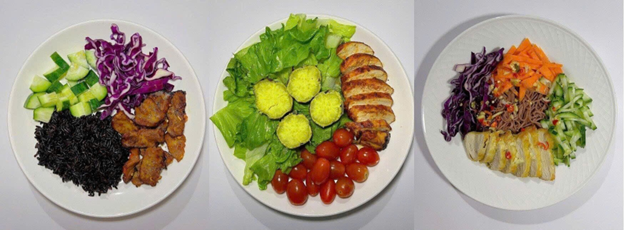
You can choose foods that are locally available and seasonal. Below is an example of a Healthy Eating Plate meal:
Food Group
Example
½ Plate (Vegetables)
Boiled morning glory, stir-fried broccoli with garlic, lettuce and tomato salad, sweet-leaf soup
¼ Plate (Carbohydrates)
One small bowl of brown rice or one medium boiled sweet potato
¼ Plate (Protein)
Mackerel in tomato sauce, boiled tofu, grilled chicken breast, or egg with minced pork

4. Important Tips When Applying the Healthy Eating Plate
To maximize the effectiveness of this method, keep the following points in mind:
Listen to your body: Stop eating when you feel about 80% full. Eat slowly, chew thoroughly, and avoid eating while using your phone or computer. This helps control portion size and prevents overeating.
Reduce salt and sugar: A diet high in salt and sugar poses many health risks. Control the amount of seasoning you add to meals and limit processed foods and fast food.
Choose healthier cooking methods: Prioritize cooking methods that preserve nutrients and natural flavors, such as boiling, steaming, light stir-frying, or pan-searing. Avoid deep-frying or cooking at very high temperatures.
Combine with physical activity: The Healthy Eating Plate model also emphasizes maintaining an active lifestyle. Balanced nutrition combined with regular exercise helps maintain good health and a well-proportioned body.
Be flexible: Do not be overly strict with yourself. If you occasionally overeat at a party or special event, rebalance your next meal following this model.
Start taking care of your body and health today. The Healthy Eating Plate method can help make your journey toward better health simpler and more achievable.



78 Giai Phong Street, Kim Lien Ward, Hanoi City
1900.888.866
096.985.1616
Department of On-Demand Medical Examination:
Outpatient Department: Monday – Friday
Main responsible person: Associate Professor, Dr. Dao Xuan Co - Hospital Director




