 Ngày đăng: 14/08/2026
Shortness of breath when climbing stairs, palpitations, or heavy feet at the end of the day are often ignored by many people, who attribute them to age or fatigue. However, these may be warning signs of valvular heart disease. Early detection, proper treatment, and home monitoring help patients limit complications, especially heart failure.
When the "doors" in the heart encounter problems
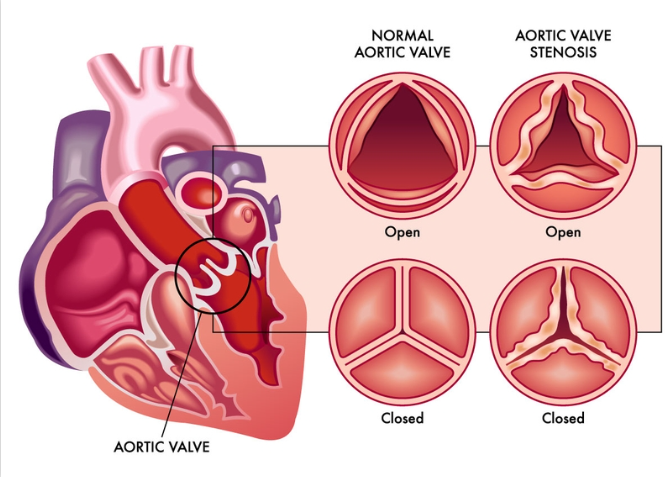
The heart has four valves, acting as one-way "doors" that regulate blood flow through the heart chambers. The mitral valve and tricuspid valve control blood flow from the atria to the ventricles; the aortic valve and pulmonary valve help pump blood from the heart to the organs and lungs.
Valvular heart disease typically manifests in three forms: stenosis, when the valve does not open widely enough, obstructing blood flow; regurgitation, when the valve does not close tightly, causing blood to flow backward; or both stenosis and regurgitation in the same valve.
The causes of the disease are quite diverse. In young people, the sequelae of rheumatic fever following streptococcal infection remain an important cause. In the elderly, the disease is often related to the degeneration and calcification of the valves. In addition, there are congenital malformations, complications after myocardial infarction, infective endocarditis, and several systemic conditions.
Signs warning of heart failure
When the heart valves are damaged, the heart must work harder to maintain the blood supply to the body. Prolonged conditions can alter the structure and function of the heart chambers and lead to heart failure.
According to doctors at the Heart Institute, in the early stages, symptoms usually appear during exertion, such as prolonged fatigue, decreased exercise capacity, shortness of breath when walking or lying down, and the need to elevate the head while sleeping. Some people may experience palpitations, a pounding heart, or chest pain.
As the disease progresses, patients may experience bilateral leg edema, hepatomegaly, and jugular venous distension. Severe cases may result in hypotension, syncope, or acute heart failure.
Echocardiography is an important method for assessing the severity of valve stenosis and regurgitation as well as cardiac contractile function, including ejection fraction (EF). Depending on the case, doctors may additionally prescribe an electrocardiogram, chest X-ray, CT, cardiac MRI, or cardiac catheterization.
Treatment depends on the degree of damage
The goals of treatment are to control symptoms and arrhythmias, and to prevent or slow the progression of heart failure.
Depending on the condition, doctors may use diuretics to reduce fluid retention, medications to treat hypertension and heart failure, beta-blockers to control heart rate, or digoxin in certain cases of heart failure and atrial fibrillation.
Anticoagulants such as Warfarin are prescribed for individuals at risk of thrombus formation, depending on the cause and medical condition, such as certain cases of atrial fibrillation or patients with mechanical valves. Patients must take medications strictly as prescribed and absolutely must not independently stop or change the dosage.
When valve damage is severe or medical treatment is no longer responsive, doctors may consider balloon mitral valvuloplasty, valve repair surgery, mechanical valve replacement, or biological valve replacement. Some cases may require intervention to treat arrhythmias.
Home monitoring: Do not ignore minor changes
Patients should weigh themselves at a fixed time every day. If weight increases rapidly, by more than 2 kg in a week, especially when accompanied by leg edema or increased shortness of breath, it may be a sign of fluid retention in the body. In such cases, patients must contact their treating physician.
In addition to weight, blood pressure, heart rate, degree of leg edema, and urine output should be monitored according to instructions. Individuals taking Warfarin must check their INR on schedule and be mindful of signs of abnormal bleeding, such as bleeding gums, subcutaneous bruising, hematuria, or black stools.
Regarding daily activities, salt restriction and fluid intake control in cases of heart failure should be practiced according to doctor instructions; alcohol and tobacco consumption should be limited; gentle exercises such as walking should be maintained if permitted, while avoiding excessive exertion. When experiencing shortness of breath while lying down, the head can be elevated, and a physician must be notified if new symptoms appear or worsen.
|
3 tips from the Heart Institute, Bach Mai Hospital
|
Valvular heart disease can begin with very mild symptoms. Do not ignore exertion-related shortness of breath, palpitations, leg edema, or unusual weight gain. Early detection and proper monitoring help patients proactively control the disease, limit complications, and maintain their quality of life.
Do Hang



78 Giai Phong Street, Kim Lien Ward, Hanoi City
1900.888.866
096.985.1616
Department of Examination on Demand:
Department of Examination: Monday - Friday
National Route 21B, Liem Tuyen Ward, Ninh Binh Province
1900.888.866
0969851616
Outpatient Department on Demand (On-demand Clinic)
+ Monday - Friday:
+ Saturday - Sunday:
Outpatient Department (Standard Clinic): Monday - Friday
+ Working hours:
Main responsible person: Associate Professor, Dr. Dao Xuan Co - Hospital Director




